Last updated November 21, 2026
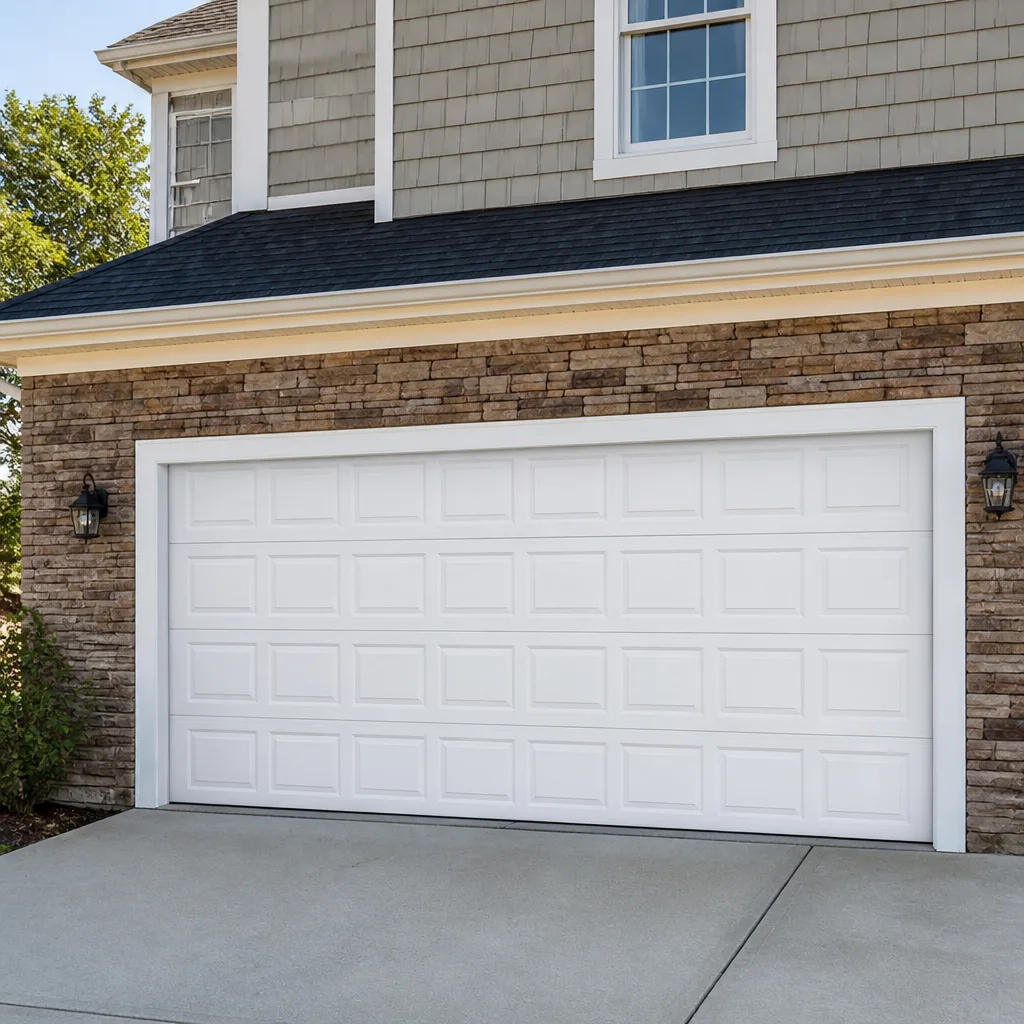 Raised-panel steel
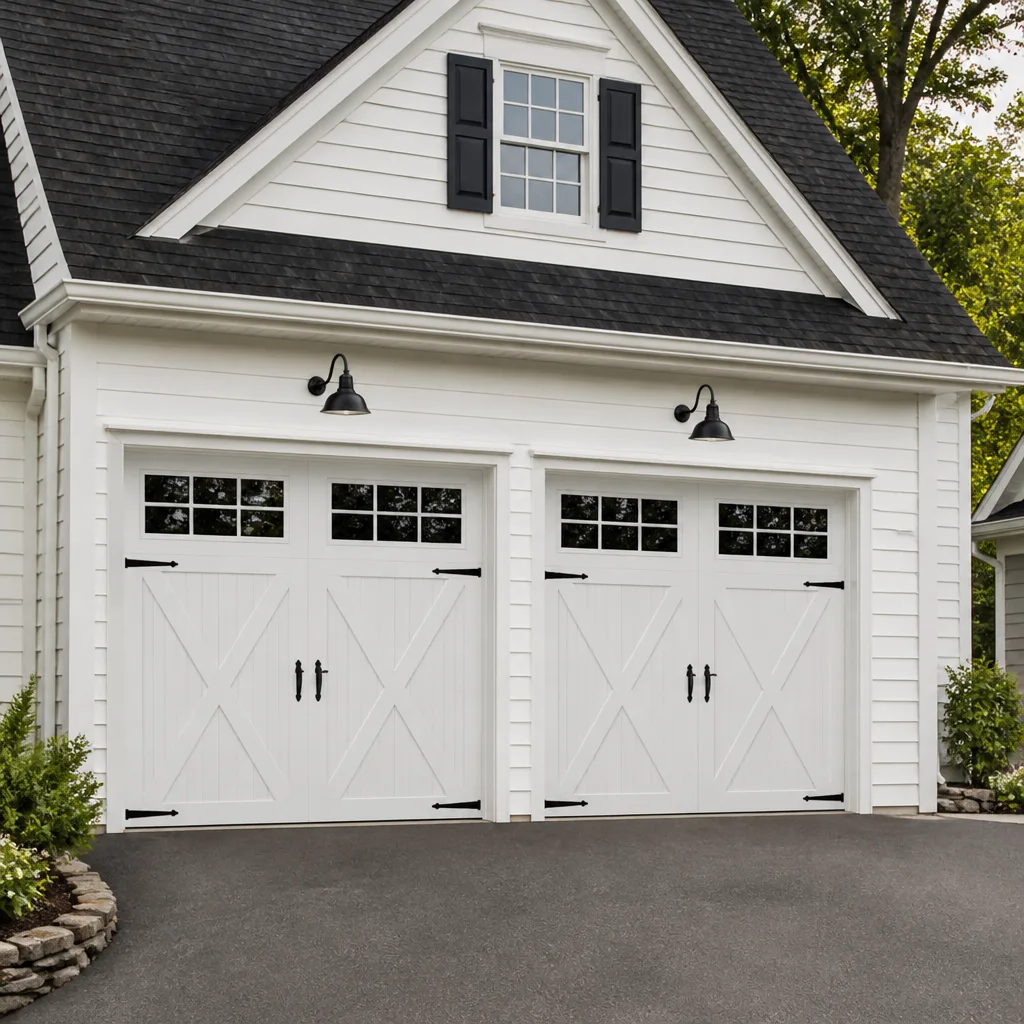 Carriage house
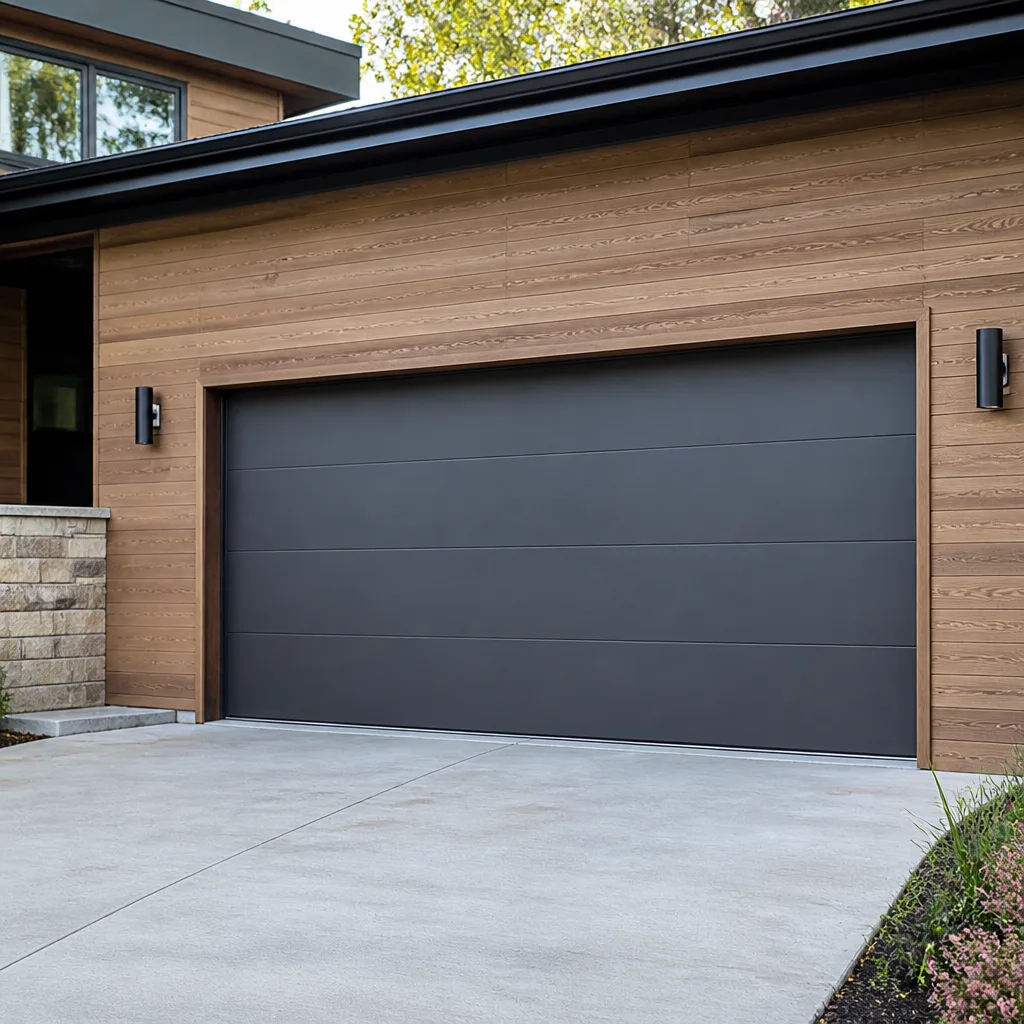 Modern flush
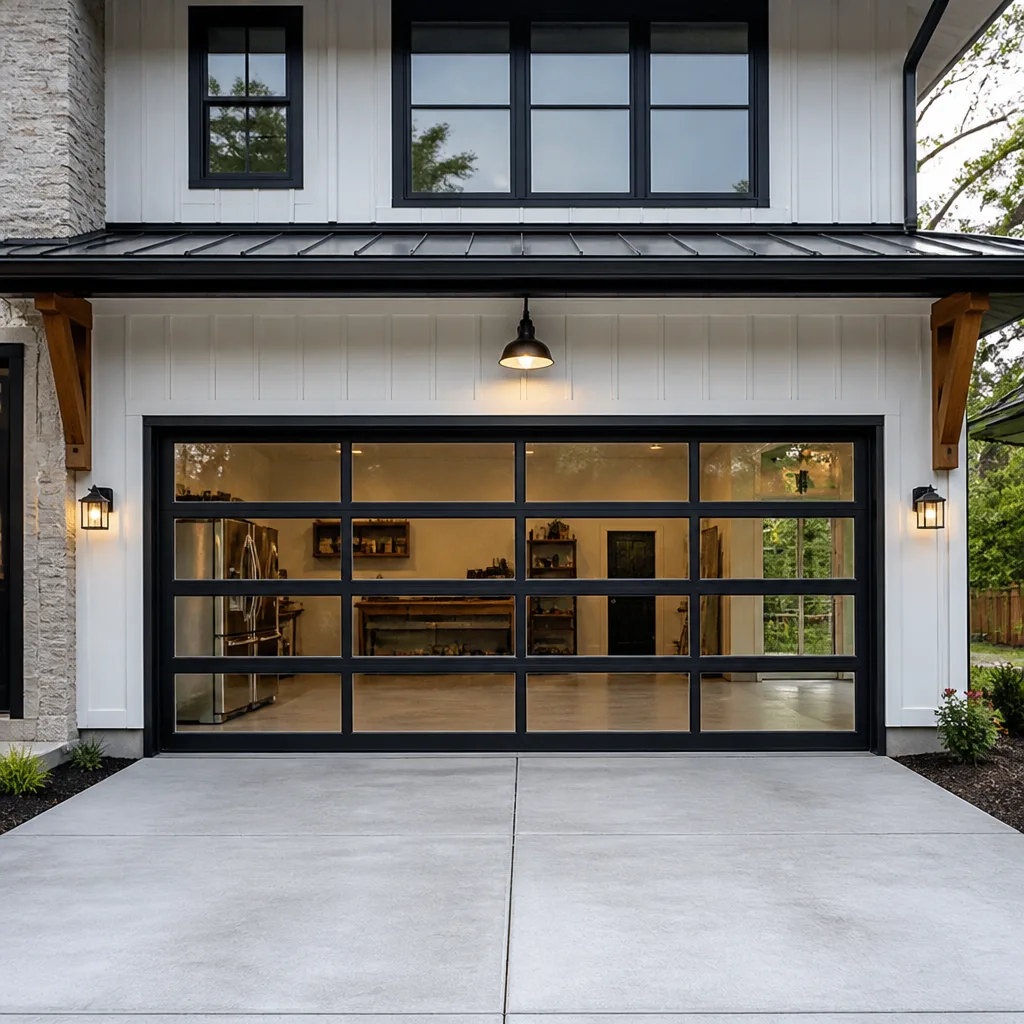 Full-view glass
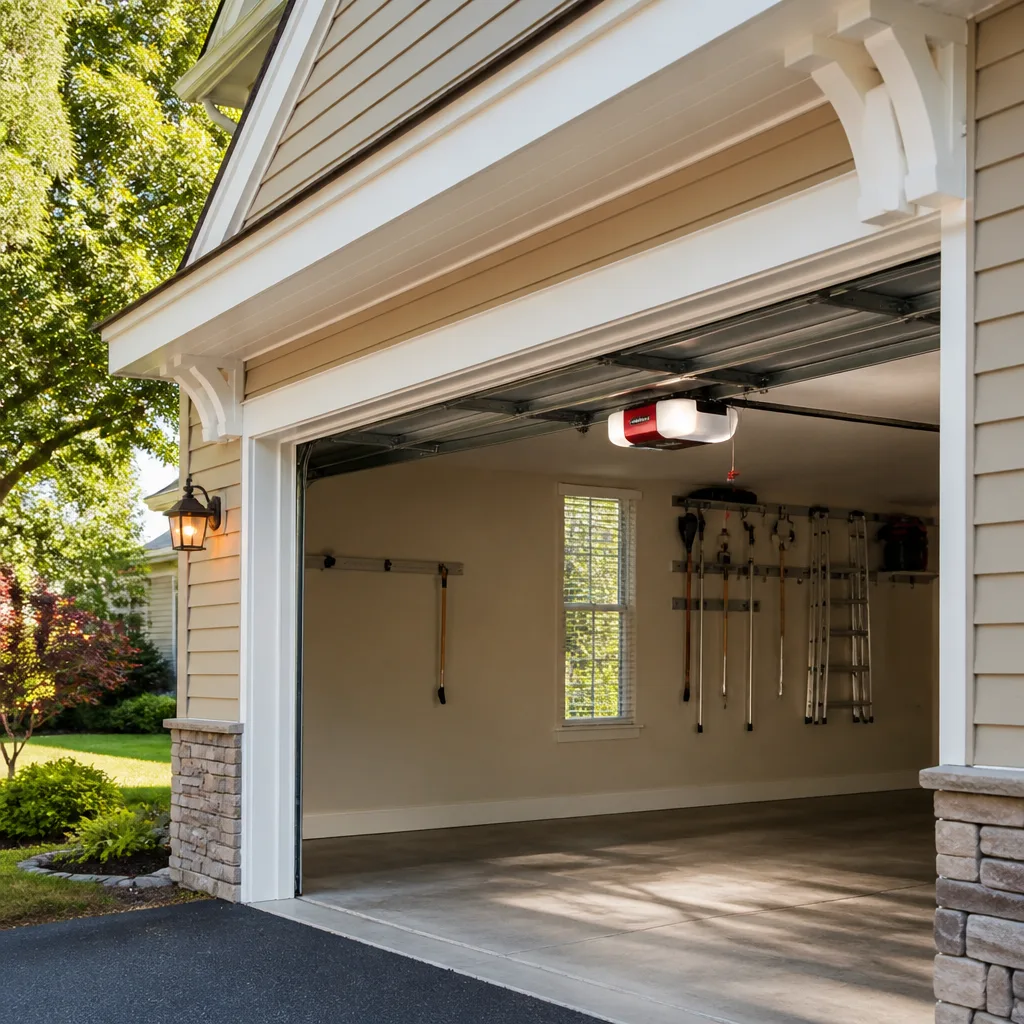 LiftMaster openers
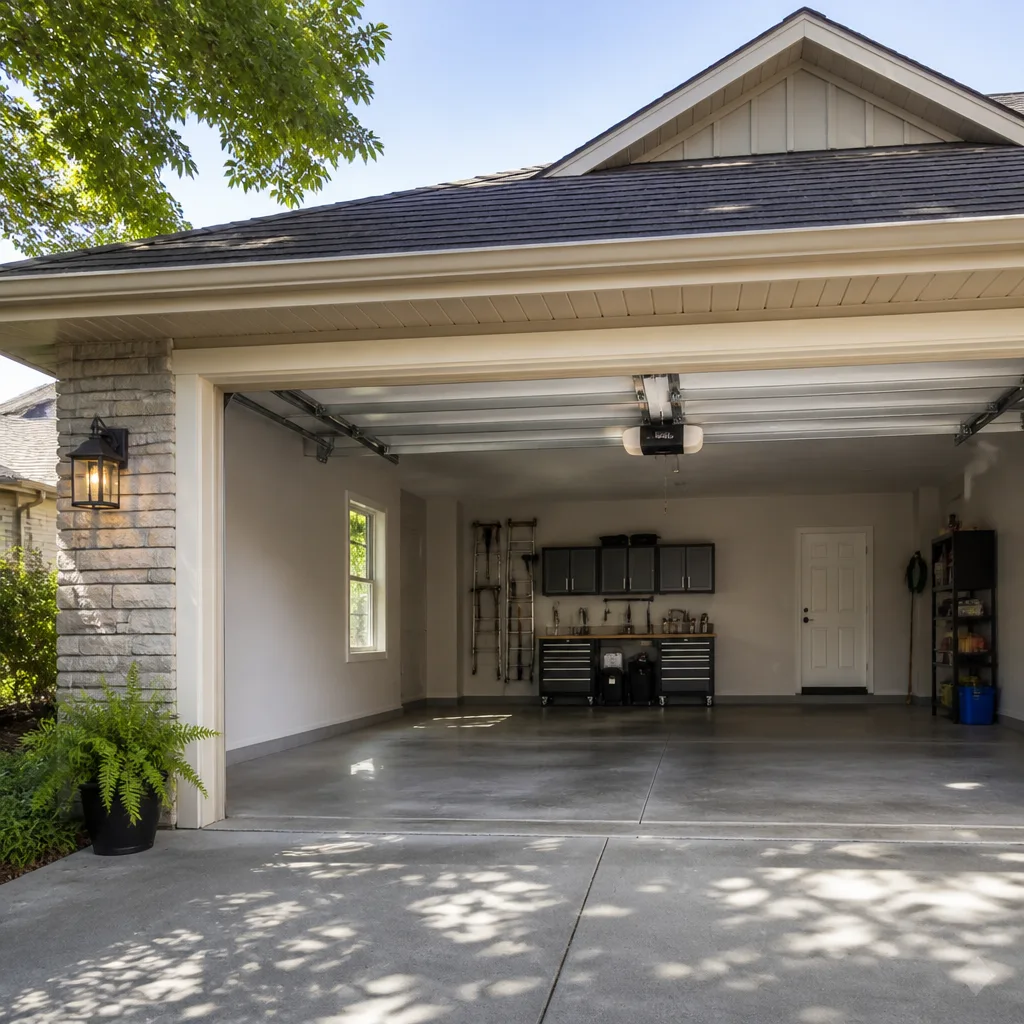 Chamberlain openers
Full 25-point door and opener safety check with every visit - springs, cables, rollers, tracks, and your LiftMaster or Chamberlain opener included
You get a price before we start. It does not change when the pro arrives.
Get your free estimateSeasonal Garage Door Care for Hialeah: Year-Round Homeowner’s Guide
Most seasonal garage door guides tell you to winterize. In Hialeah, that advice misses the point. Our year splits two ways: a dry season that runs roughly from December into May, and hurricane season, which opens June 1 and runs through the end of November. The deadline that actually matters for a garage door here isn’t the first cold snap, it’s the first named storm. A door that’s been quietly loosening for months becomes a wind-load liability the moment a tropical system takes aim at South Florida. The work that keeps it solid is mostly small, done on a schedule, and easy to forget until something fails.
This guide lays out that schedule window by window. You’ll learn what to check in April and May before the season turns, how to handle the door when a storm is closing in, what to inspect after a near-miss, and why Hialeah’s year-round humidity changes what maintenance you actually need. The goal is simple: a door that opens, closes, and holds secure through every month of the year, not just the calm ones.
Styles & brands we work with
- Raised-panel steel
- Carriage house
- Modern flush
- Full-view glass
- LiftMaster openers
- Chamberlain openers
Quick Answer
Seasonal garage door care in Hialeah runs on two windows rather than four seasons. From December through May, the cooler, drier stretch, you lubricate moving parts, check the balance of the door, and inspect weatherstripping and the bottom seal before the rains return. From June through November, hurricane season, you verify wind bracing, test the manual release, and confirm the door closes flush and seals tight. Spring work is the one task that stays firmly in professional hands, because torsion and extension springs are under enough tension to injure an untrained person.
Table of Contents
- Why Hialeah’s Two-Season Cycle Changes the Standard Advice
- Pre-Hurricane Season Prep: April and May
- Operating and Securing Your Door During Hurricane Season
- Post-Storm Inspection: What to Check Before Normal Operation
- Dry Season Tasks: December Through May
- Year-Round Humidity Management for Hialeah Homes
- Springs, Cables, and the Tasks You Should Never Do Yourself
- Working With the Brand Already on Your Door
- Common Mistakes to Avoid
- When to Call a Professional
- Frequently Asked Questions
- The Bottom Line
Why Hialeah’s Two-Season Cycle Changes the Standard Advice
The generic garage door calendar was written for places with hard winters. It worries about frozen springs, ice in the tracks, and salt on the roads. None of that applies in Hialeah. What you have instead is a long hot, wet stretch bookended by a milder dry stretch, and that shape puts different stresses on a door. Heat and humidity do their damage slowly and quietly. Wind does it all at once.
Start with the heat. A metal garage door in full afternoon sun through a Hialeah summer gets hot enough to be uncomfortable to touch, and it expands and contracts daily as it cycles from morning to afternoon. That constant flexing works on every fastener, hinge, and roller. Metal moves; wood and vinyl weatherstripping don’t move the same way, so the seams between them are where trouble starts.
Then the humidity. Hialeah sits in a humid subtropical climate, and the air holds moisture most of the year. That moisture finds every gap in a door’s seal and works its way into the garage. Over time it shows up as rust on the bottom edge of a steel door, swelling on a wood frame, and a musty smell that tells you the space behind the door is staying damp.
The dry season is genuinely the easier half of the year, and that’s exactly why it’s the right time to prepare. Cooler temperatures in December through May can also hide problems: a door with a weakening spring may run more smoothly on a mild morning than it will in August. Use the dry months to catch what the heat will otherwise expose.
For homeowners who want the repair side handled, our garage door repair service covers the everyday failures that seasonal checks catch early. But the checks themselves are yours to run, and this guide is about running them well.
Pre-Hurricane Season Prep: April and May
April and May are the last calm stretch before hurricane season opens on June 1. Treat those weeks as your maintenance window, because once a storm is in the forecast, you’ll be competing with everyone else for attention and you won’t have time to fix what you find. Three tasks matter most in Hialeah homes, and each one takes a short amount of time.
1. Verify the wind bracing and hardware
Look at the door from inside the garage. Check that every hinge is tight against the panel, that the vertical and horizontal tracks are secure at their brackets, and that nothing has pulled loose from the wall or the header above the opening. On a reinforced door, confirm the bracing struts across the back of the panels are still fastened at both ends. A door that has handled years of summer wind may have a bracket working loose without making a sound.
2. Test the manual disconnect
Every opener has a release that lets you operate the door by hand. Pull it, lift the door partway, and lower it again. It should move smoothly and the release should re-engage cleanly when you close the door. If it sticks, or if the door won’t re-connect, you need to know that now rather than during a power outage.
3. Inspect the bottom seal and side weatherstripping
Wind-driven rain finds the smallest gap. Run your hand along the bottom seal and check for cracks, flattening, or sections pulled away from the door. Do the same with the side and top weatherstripping. Any gap wider than a pencil is a path for water and air, and it’s a cheap fix compared with what water damage inside the garage costs.
While you’re at it, clear the tracks of grit and check that the door opens and closes fully without a shudder or a hesitation. Small issues that appear in May tend to amplify by August.
Operating and Securing Your Door During Hurricane Season
When a named storm is within about 72 hours of Hialeah, the goal shifts from maintenance to preparation. What you’re trying to do is remove any chance that the door becomes the weak point in the house. Start with these steps, in order:
- Close the door fully and confirm it seats flush. Look at the gap between the bottom of the door and the floor. If the door isn’t sitting tight, wind can get underneath and start lifting it.
- Lock the door mechanically if you have a manual lock. Many residential doors have a slide bolt or similar lock that physically secures the panel. If yours does, engage it.
- Unplug the opener or turn off its power at the wall control. If the power flickers during a storm, an opener that cycles unexpectedly can strain a door that’s already under wind pressure.
- Confirm the manual release is set so the door won’t lift from wind. Follow the manufacturer’s directions for your specific opener; on most systems the release is either engaged or disengaged as the operator intends.
- Move anything loose near the door. Rolling bins, tools, and garden equipment can become projectiles inside a garage under high wind, and they can jam the door or damage a panel.
If your door has been reinforced for wind protection, check that the bracing is in its intended position and that all fasteners are tight. If it has never been reinforced, a garage door technician can tell you whether your model supports it; a door not built for high wind shouldn’t be treated as though it is.
A door that won’t close before a storm is an urgent situation. Our Hialeah Garage Door Repair Pros team handles emergency calls when a door is stuck open or a vehicle is trapped inside, and that matters most when a storm is bearing down. If the door won’t operate and a storm is close, call before the weather turns.
Post-Storm Inspection: What to Check Before Normal Operation
After a storm passes, don’t just open the door and go about your week. A near-miss can leave a panel slightly bent, a track pushed out of alignment, or a spring weakened enough that it fails the next time you use the door. Walk through this inspection before you resume normal daily use:
- Look at the panels from a distance. Any visible bend, dent, or gap at a seam means the door’s balance is likely off and the opener is working harder than it should.
- Run the door slowly. Open and close it once and listen. A grinding, scraping, or popping sound is your cue to stop and call a technician.
- Check the tracks for debris and misalignment. A twig or piece of debris in the track can bind the rollers and bend the door’s frame over time.
- Examine the bottom seal. Wind-driven rain often tears a seal loose at a corner, and that gap lets water in the next time it rains.
- Test the safety reverse. On most openers, placing an object in the door’s path while it closes should cause it to reverse. If it doesn’t, stop using the opener.
- Look for rust or water intrusion inside the garage. Standing water near the door, dampness along the base of the walls, or a musty smell all point to a seal or drainage issue.
If anything on that list is off, especially a bent panel or a door that won’t run smoothly, pause and get it checked. A door that’s slightly out of alignment after a storm is much cheaper to correct before continued use bends the tracks or overloads the opener.
Dry Season Tasks: December Through May
The dry stretch is when you set the door up to survive the next wet one. Cooler mornings can make a door feel better than it is, so treat this as the time to be proactive. Here’s what the maintenance work looks like, in the order that makes sense:
- Lubricate the moving parts. Apply a garage-door lubricant (not general-purpose grease, which attracts grit) to the hinges, rollers, and springs where the manufacturer allows it, and to the tracks sparingly. This is the single most useful seasonal task.
- Check the door’s balance. With the opener disconnected, lift the door halfway and release it. A balanced door should hold roughly where you let go. If it drops or rises on its own, the spring tension is off, and that’s a professional adjustment.
- Inspect the weatherstripping and bottom seal. Feel for cracks and gaps on the sides and top. Replace anything that’s dried, torn, or no longer making contact. Heat and humidity wear this material faster than most homeowners expect.
- Clean and inspect the tracks. Wipe out grit and check that the tracks are straight and secure. A bent track will wear the rollers and pull the door out of alignment.
- Test the safety features. Do a reverse test and confirm the photo-eye sensors on your opener are aligned and clear of obstruction.
Cooler weather can also mask a spring that’s weakening, because the metal behaves a little differently at lower temperatures. If the door has started sounding louder or running heavier than it used to, don’t wait for it to fail in August. Have it checked during the dry season, when fixing it is a planned visit rather than an emergency.
The balance check is a good test to run during the dry months, and if it’s off, garage door spring repair is the right call rather than a DIY adjustment. Springs are the part of the system that holds the door’s weight, and an experienced technician can tune or replace them safely.
Year-Round Humidity Management for Hialeah Homes
Hialeah’s humidity is the quiet force behind most of the wear on a residential garage door and the moisture that creeps into the space behind it. The door itself is fine with humidity; the problem is what happens when the seal between the door and the house stops doing its job. Once that’s true, the garage becomes a damp room, and damp garages cause problems far beyond the door.
Start with the door gaps. The bottom seal is the biggest one: it absorbs most of the wind-driven rain and the splash that pools at the threshold. A worn or torn bottom seal lets water under the door every time it rains, and that water has nowhere to go but into the garage floor and up the wall. Side and top weatherstripping fail next, usually at the corners.
The interior moisture that gets past those seals shows up as a musty smell, rust on stored metal tools, and mold on cardboard and drywall along the shared wall between the garage and the house. Those are signs to check the seal, not just to air out the garage. If the air inside is consistently heavier and damper than the outside, that’s a seal problem.
What helps in practice:
- Replace a bottom seal that’s flattened, cracked, or not fully contacting the floor.
- Keep the door’s tracks and the threshold clear of leaves and debris that trap moisture.
- Confirm the door closes fully every time, since a door that stops short leaves a permanent gap.
- Check for rust at the bottom edge of a steel door, which is where moisture damage usually starts.
- If the garage shares a wall with living space, watch for mold or paint peeling on the garage side; that points to a seal issue that needs fixing.
Springs, Cables, and the Tasks You Should Never Do Yourself
We can’t say this plainly enough: garage door springs and cables are under enough tension to cause serious injury, and they are not a homeowner project. A torsion spring along the top of the door or an extension spring running along the tracks holds the full weight of the door, and it’s under load even when the door is fully closed. Releasing or adjusting that tension without training and the right tools is how people get hurt. If a spring is broken, the door shouldn’t be operated at all until it’s repaired.
The same goes for cables, which run along the sides of the door under tension and can snap violently. Having a technician handle spring and cable work is the standard practice in this trade, not a way to sell you a service. Spring repair is the highest-risk repair on a residential door, and it belongs to someone experienced with the specific system in front of them.
What you can do safely is observe and report. Listen for a bang from the garage, look for a visible gap in the spring coil above the door, and check for a door that goes up easily by hand but won’t stay up. Any of those signs means a spring problem, and the fix is a technician’s job. We work on both torsion and extension spring types, and spring repair is a core service rather than an add-on.
Other parts are fair game for a careful homeowner: lubricant on hinges and rollers, wiping the tracks, replacing weatherstripping, and testing the safety reverse. The line is simple. If it involves tension, leave it to a technician.
Working With the Brand Already on Your Door
A seasonal care guide is only as useful as the specific system it applies to. Openers and doors from different manufacturers have different maintenance points, different release mechanisms, and different replacement parts. Hialeah’s housing stock covers a lot of ground, and in our experience the door on your house is probably one of the common residential systems: LiftMaster and Chamberlain openers, Genie and Craftsman units on older homes, and doors from Clopay, Amarr, Wayne Dalton, or Raynor.
Knowing the brand matters because it changes what “normal” looks like. An older Craftsman opener has different service needs than a modern LiftMaster unit, and a Clopay steel door has different weatherstripping than a Wayne Dalton model. When a technician already knows your system, diagnosis is direct instead of exploratory, and you don’t lose time to guesswork.
We service products from eight of the most common residential garage door and opener brands, and our technicians have up to 10 years of experience across those systems. That includes the full range of opener work, mechanical and connectivity issues alike, so a Genie or Chamberlain opener that’s lost its remote pairing gets handled the same way as one that’s failing mechanically. If your opener is on the fritz, garage door opener repair covers both.
One practical tip for the seasonal checklist: note the brand and model of your door and opener now, before you need to call anyone. It’s on a sticker on the opener housing or the door’s edge, and having it ready saves time and moves the conversation straight to the fix.
Common Mistakes to Avoid
- Waiting for a storm to check anything. The worst time to discover a loose bracket or a failing seal is 48 hours before a named storm reaches Hialeah. Do the inspection in April and May, when there’s time to fix what you find.
- Using general-purpose grease on the tracks. Thick grease attracts grit and turns into a grinding paste over a humid summer. Use a garage-door-specific lubricant, and apply it sparingly.
- Adjusting spring tension yourself. This is the mistake with the worst consequences. A torsion or extension spring is under enough load to injure you, and a homeowner adjustment voids the door’s balance and safety. Call a technician.
- Ignoring a small door gap. A gap wider than a pencil lets wind-driven rain in, and in Hialeah’s humidity a small gap becomes damp drywall and a musty garage by the end of the wet season.
- Running the opener on a door that’s out of balance. A door that won’t hold halfway up is a sign of spring wear, and continuing to force it with the opener wears out the motor and the door’s hardware faster.
- Skipping the post-storm inspection. A door can look fine after a near-miss and be slightly misaligned. Running it without checking is how a small bend becomes a bent track.
- Assuming cooler weather means the door is fine. Mild temperatures can hide a weakening spring. If the door sounds heavier than it used to, have it checked during the dry season.
When to Call a Professional
Some problems are a matter of scheduling, and some are a matter of safety. Call a professional right away if you see a visible gap in a spring coil, hear a loud bang from the garage, notice a door that’s crooked in its tracks, or find a door that won’t close flush. Call as well if a cable looks frayed or has come off its drum, or if the opener runs but the door doesn’t move. Each of these means the door is either unsafe to operate or likely to fail further with use.
For the seasonal work, a technician can handle the balance check, spring adjustment, weatherstripping replacement, and a full tune-up in a single visit. If a storm is coming and the door isn’t right, that changes the timeline. Hialeah Garage Door Repair Pros offers free estimates in Hialeah. Call (877) 492-2079 and we’ll get your door back on track, whether that’s a scheduled checkup or an urgent repair before the weather turns.
Frequently Asked Questions
Start in April or May, before hurricane season opens on June 1. That gives you time to tighten hardware, inspect the bottom seal, test the manual release, and fix anything that turns up. By June, you want the door in its best condition rather than finding problems as a storm approaches.
It can feel a little different in the summer, but a door that’s noticeably harder to lift or that won’t hold halfway open usually points to weakening spring tension. Heat and humidity work slowly on the metal and the moving parts. If the door feels heavy, have it checked rather than waiting for it to fail. Call (877) 492-2079 for an estimate; estimates are free.
No. Garage door springs are under enough tension to cause serious injury, and adjusting or replacing them without training and the right tools is dangerous. If a spring is broken or the door is out of balance, stop using the door and have a technician handle it. This is the one task to never take on yourself.
A spring repair typically runs about $180 to $340 for a single spring, with a matched pair running roughly double that since springs are usually replaced together. The written estimate sets the final price, and the price is quoted and agreed before any work starts. Call (877) 492-2079 for an exact quote.
Yes, close it fully and confirm it seats flush against the floor, then engage any manual lock and unplug the opener. A closed door keeps wind from getting under it, and a door that’s flush and secure is far safer than one that’s standing open or partly shut. Move loose items away from the door as well.
The likely cause is a worn bottom seal or side weatherstripping letting humid air and rain into the garage. Check the seal along the floor and the sides, and look for rusty tools or a musty smell near the wall that shares with the house. Replacing the seal usually fixes it. Call (877) 492-2079 if you’d like an inspection.
The Bottom Line
Hialeah garage door care comes down to two windows, not four seasons. In the dry stretch from December through May, lubricate the moving parts, check the door’s balance, replace worn weatherstripping, and clear the tracks. In hurricane season from June through November, verify the wind bracing, test the manual release, and know how to secure the door when a named storm is 72 hours out. After any storm, inspect before you resume daily use, and leave springs and cables to a technician every time. Keep that rhythm and the door on your Hialeah home stays solid, sealed, and ready for whatever the year brings.
Written by the team at Hialeah Garage Door Repair Pros.
See the difference
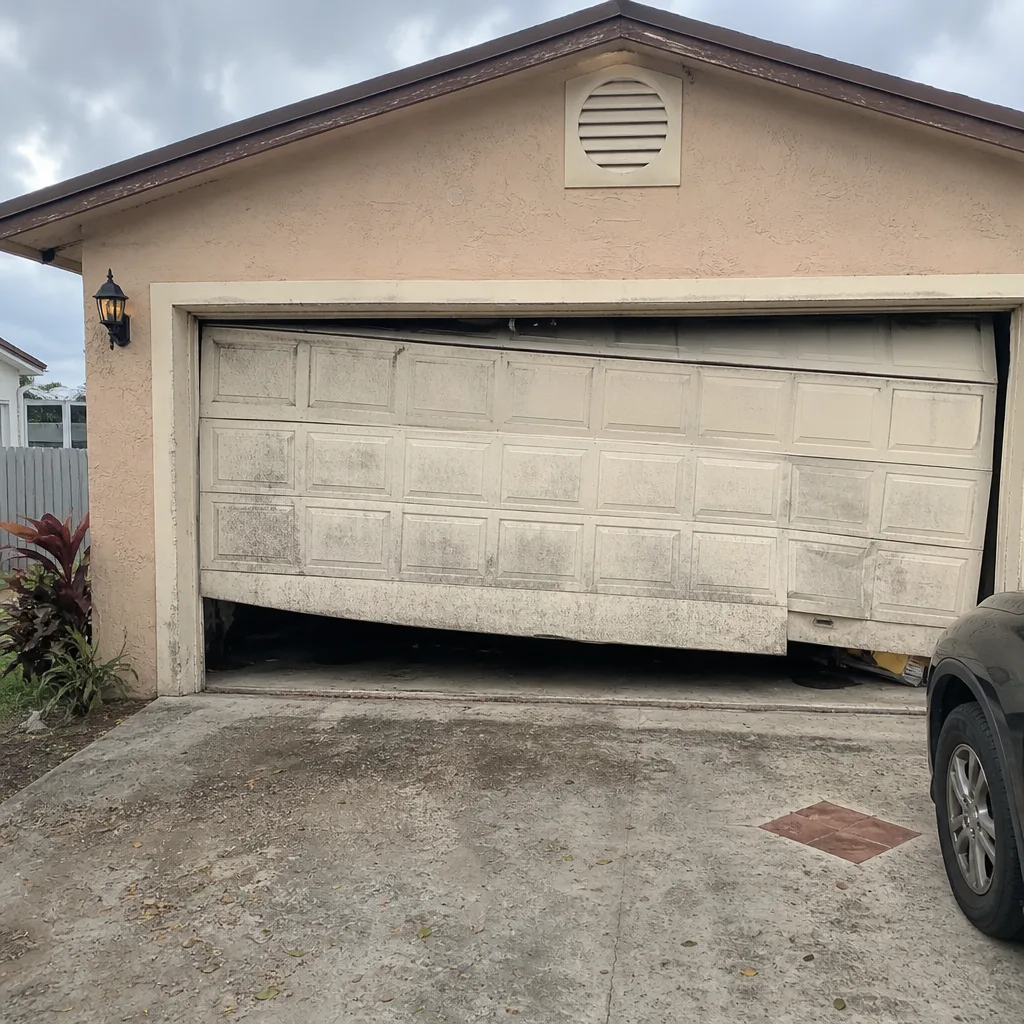 Before
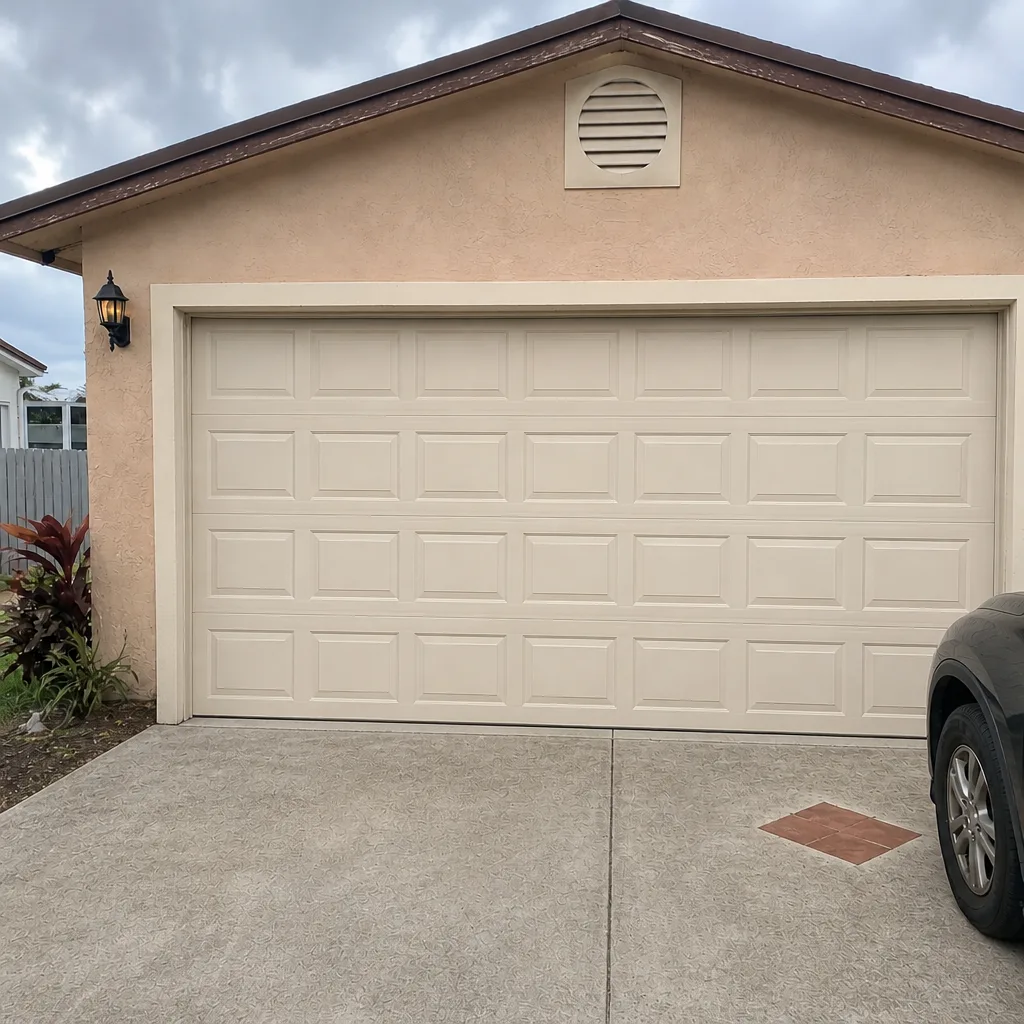 After
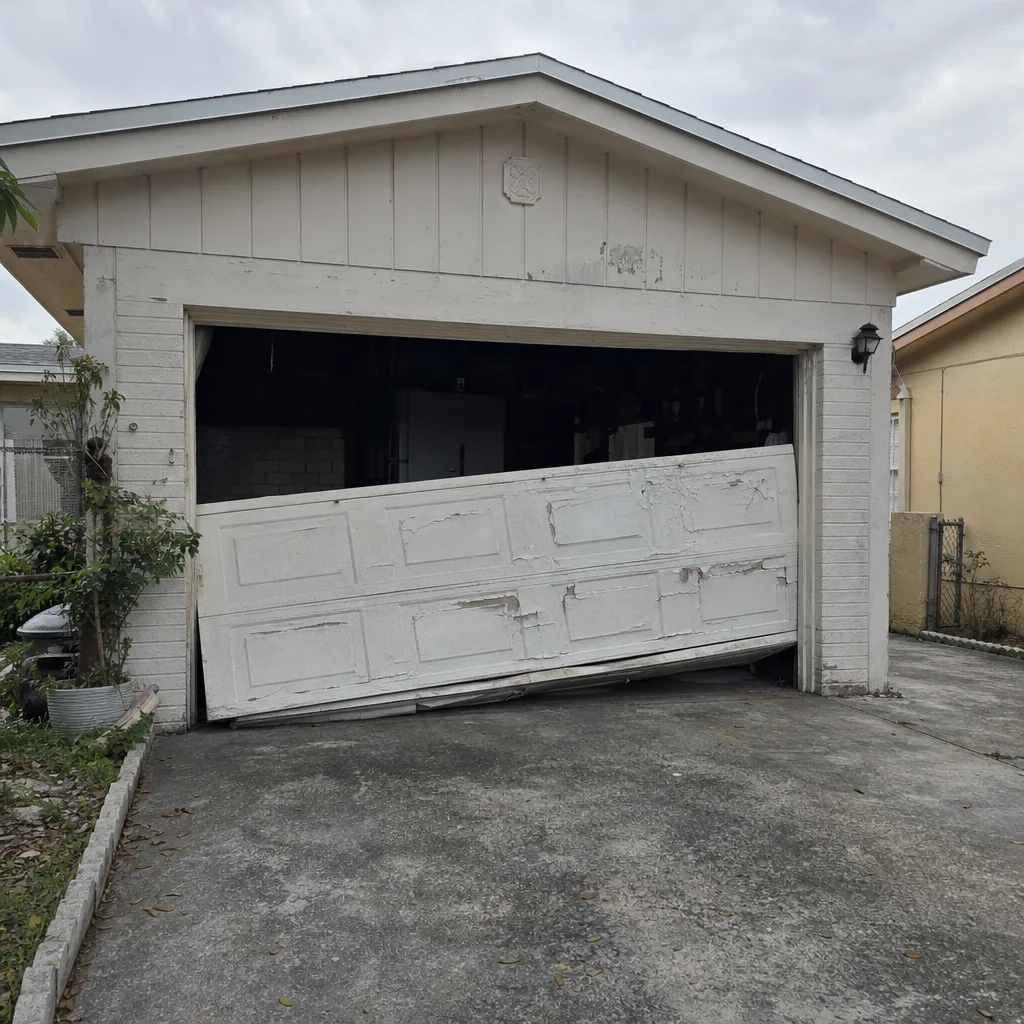 Before
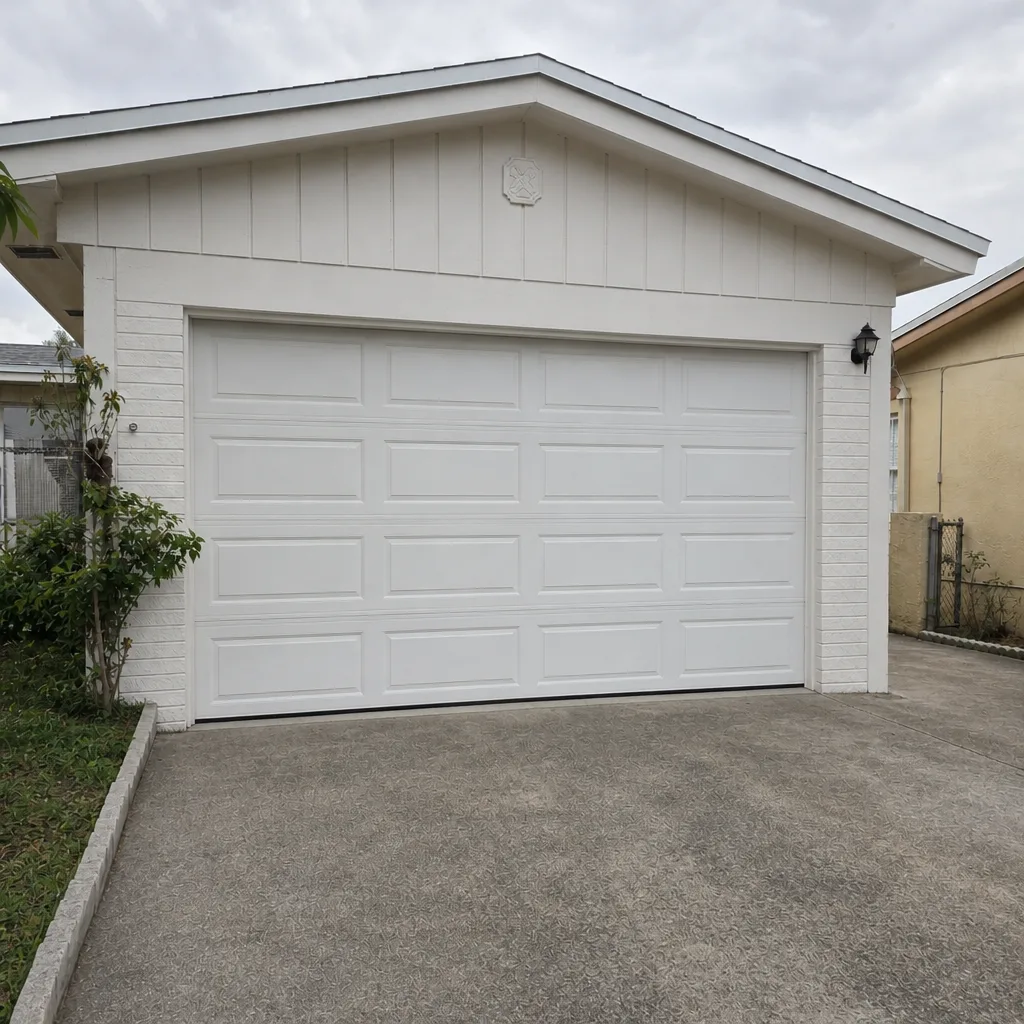 After
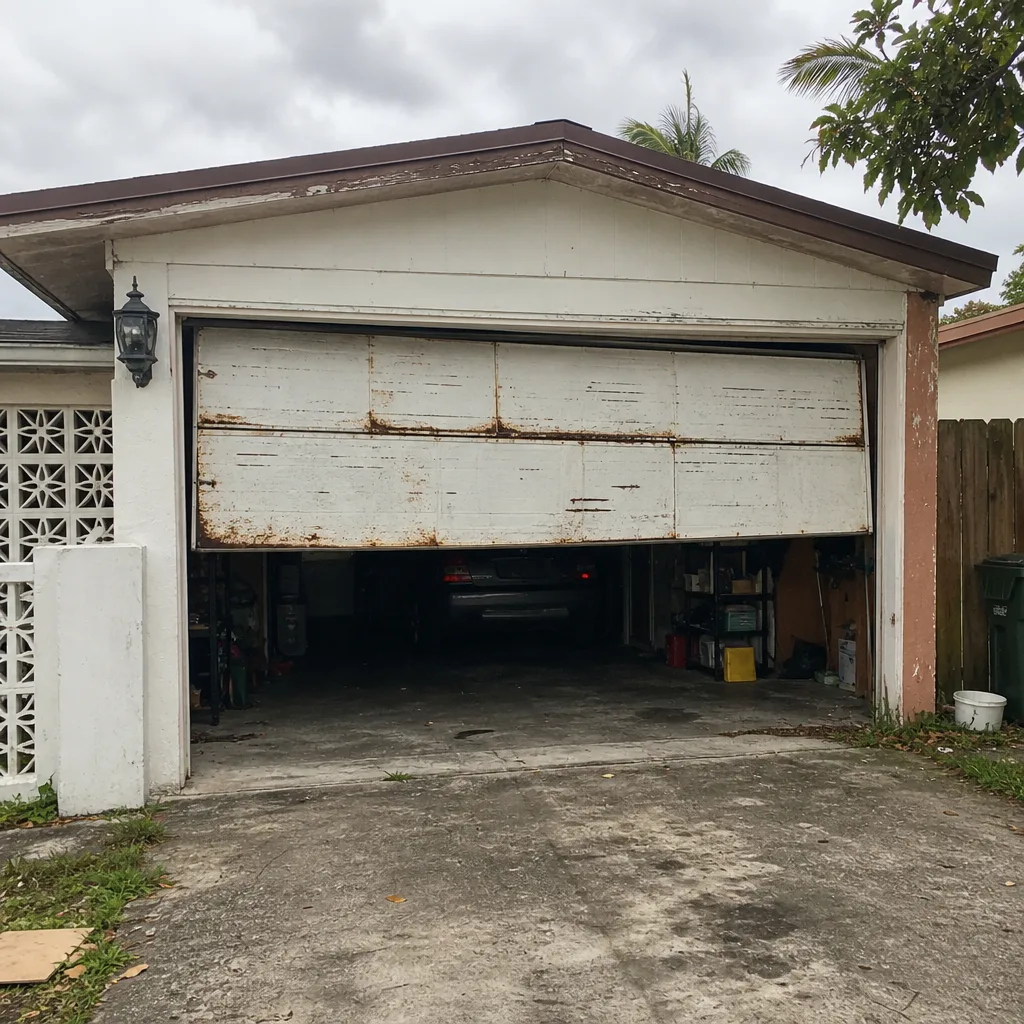 Before
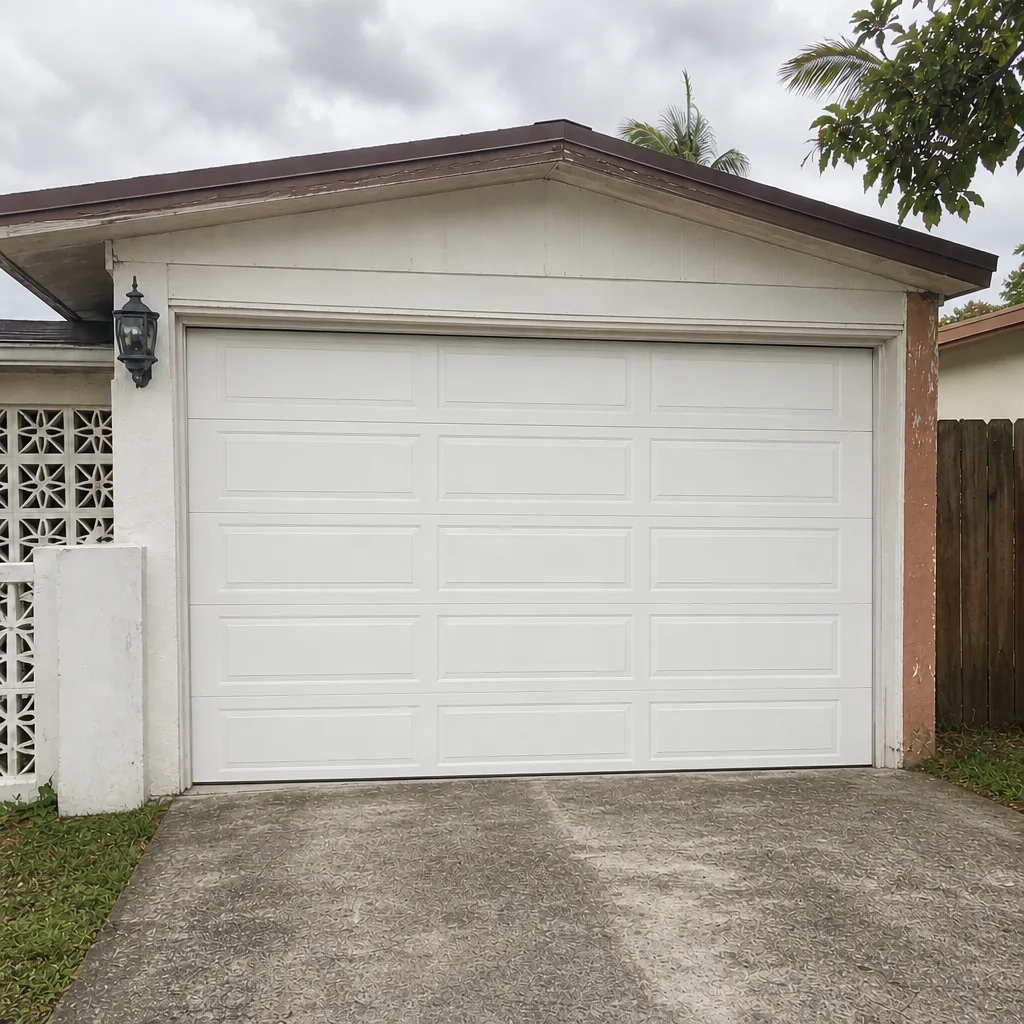 After