Last updated November 21, 2026
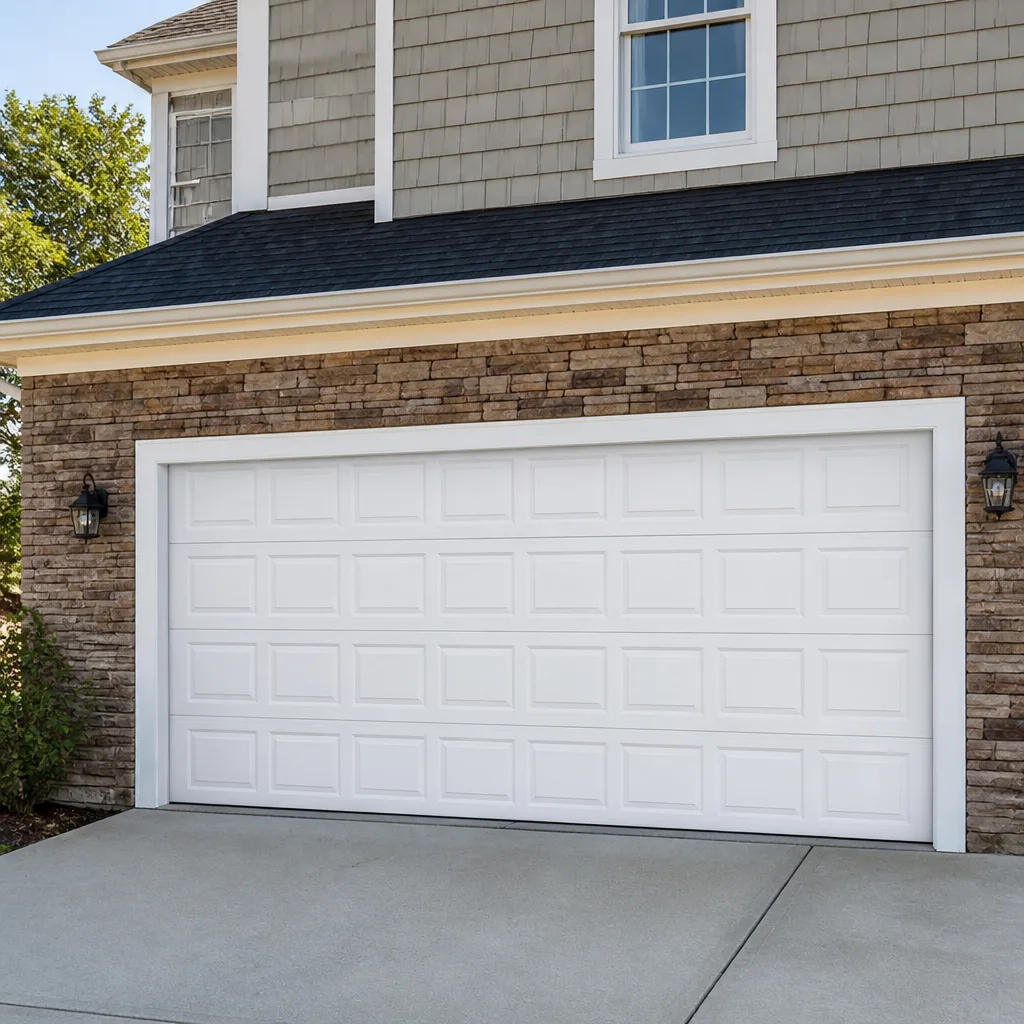 Raised-panel steel
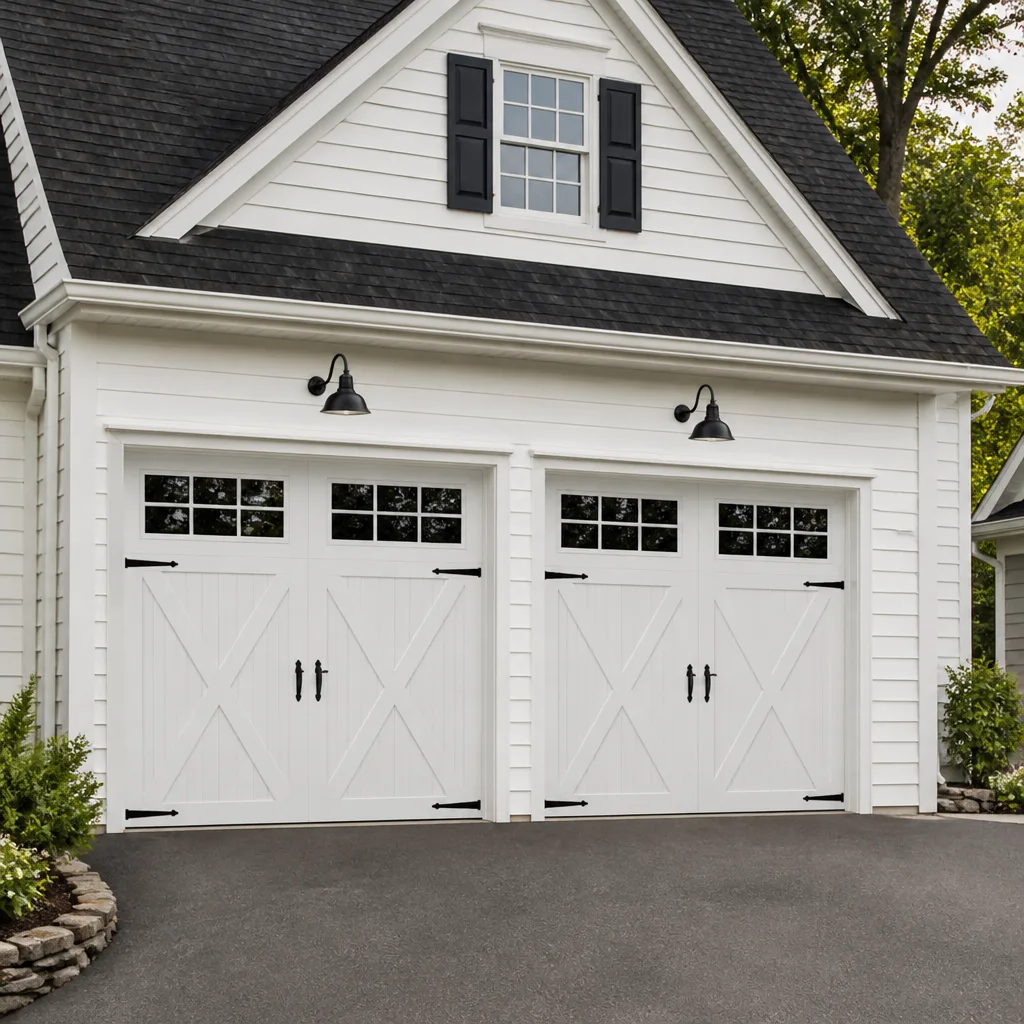 Carriage house
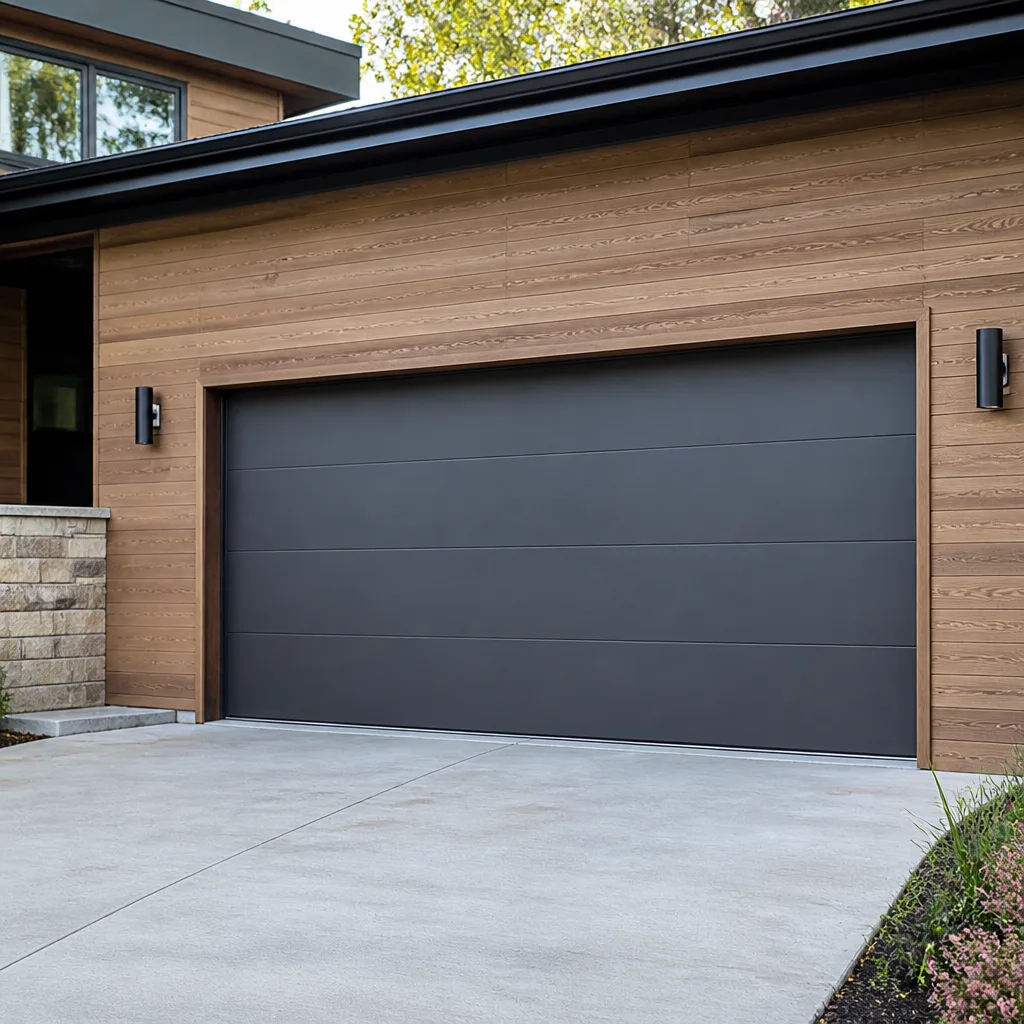 Modern flush
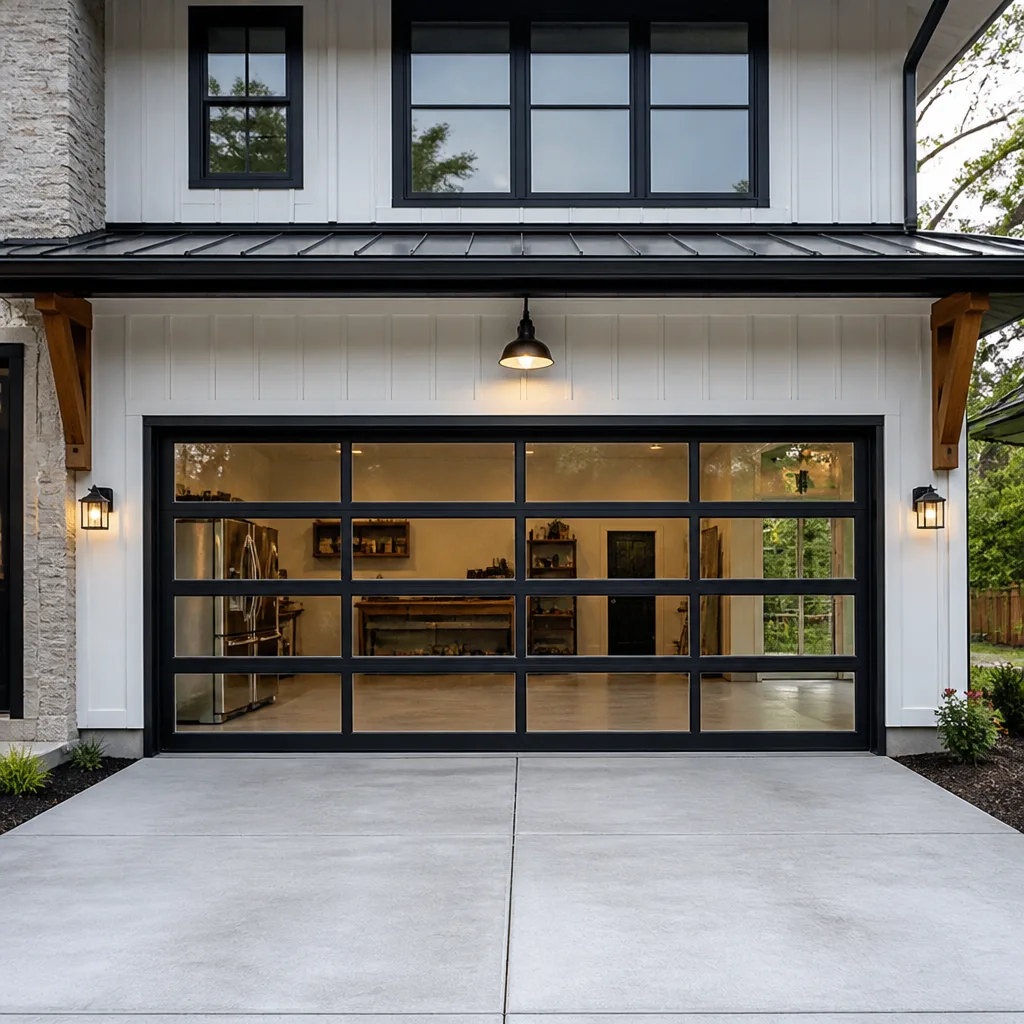 Full-view glass
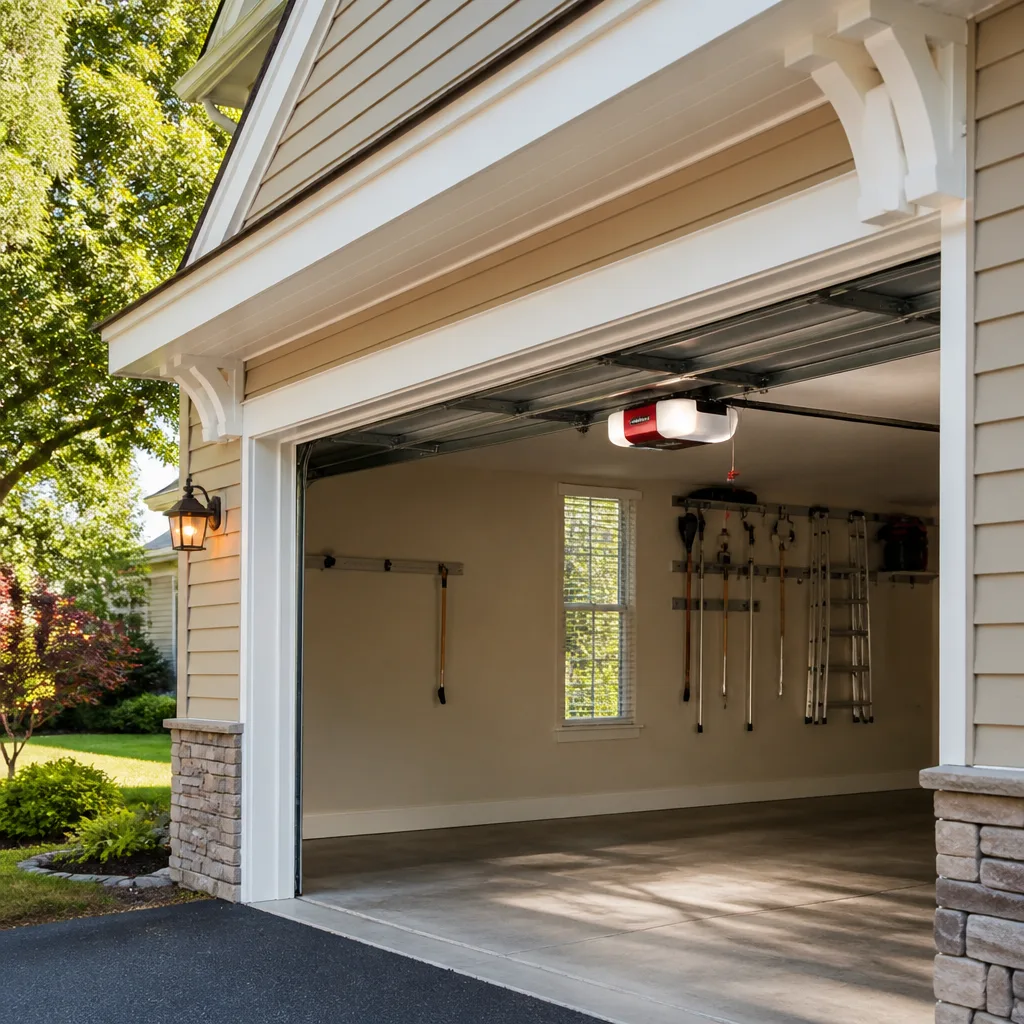 LiftMaster openers
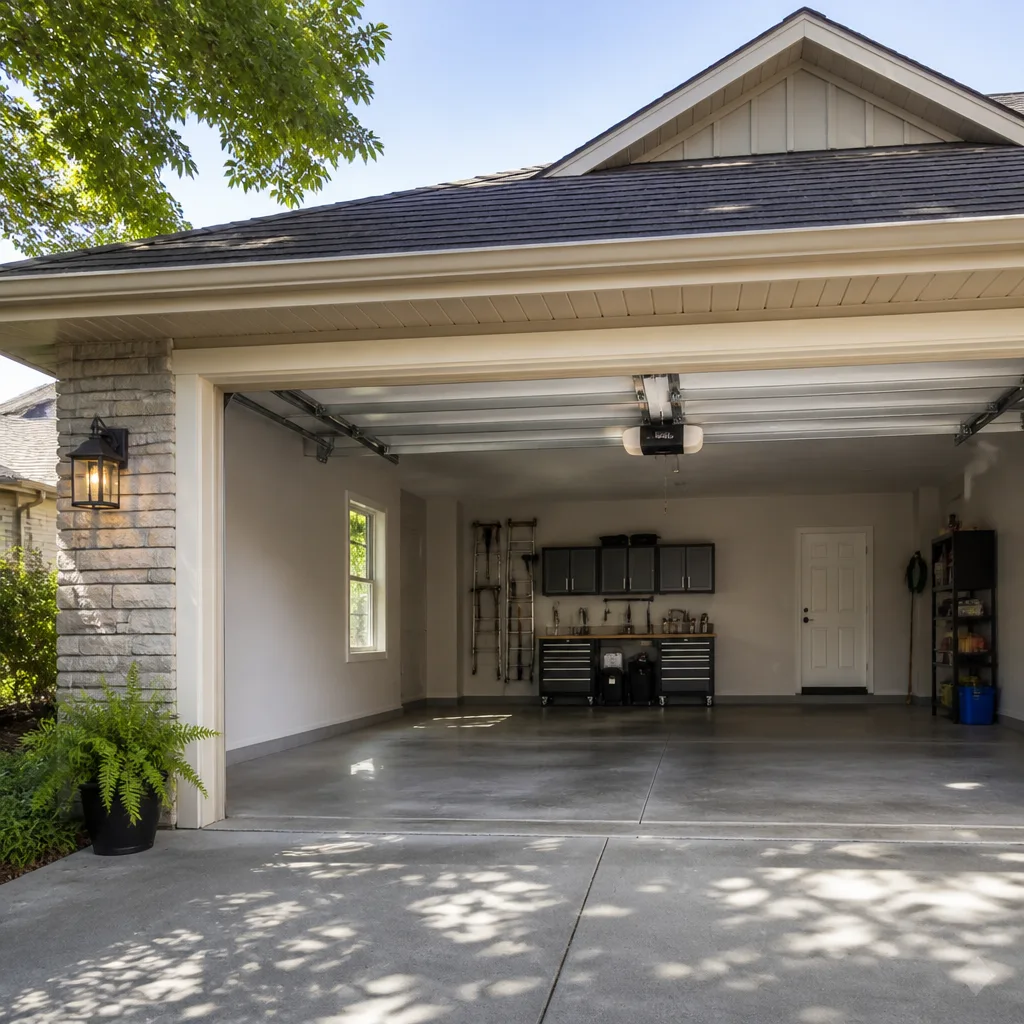 Chamberlain openers
Full 25-point door and opener safety check with every visit - springs, cables, rollers, tracks, and your LiftMaster or Chamberlain opener included
You get a price before we start. It does not change when the pro arrives.
Get your free estimateDIY vs Professional Garage Door: The Hialeah Homeowner’s Decision Guide
A torsion spring the width of your thumb can store enough energy to throw a grown adult across a garage. A rubber bottom seal carries none of that risk, and you can swap it on a Sunday afternoon with a screwdriver. The gap between those two jobs is wider than most “should you DIY?” articles admit, and it’s the whole point of this guide. In Hialeah, there’s a third factor the national checklists skip: Miami-Dade County treats a new garage door as a permitted, inspected component of your home’s wind protection. That changes the math on installation entirely. Below we break down garage door work task by task – what’s genuinely safe to handle yourself, what isn’t, what the permit rules mean for a Hialeah homeowner, and how to spot a repair quote that’s selling you work you don’t need.
Quick Answer
Homeowners can safely handle lubrication, safety-sensor alignment, remote and keypad programming, weatherstripping, and visual inspections. Spring replacement, cable work, and structural hardware are professional-only jobs because the stored energy and tension can cause serious injury. Garage door installation in Hialeah also needs a Miami-Dade permit and product approval documentation, so it’s a professional job even when the mechanical work goes perfectly.
Styles & brands we work with
- Raised-panel steel
- Carriage house
- Modern flush
- Full-view glass
- LiftMaster openers
- Chamberlain openers
Table of Contents
- Why a Garage Door Is Two Very Different Machines
- Which Garage Door Tasks Are Actually Safe to DIY in Hialeah?
- Which Garage Door Jobs Are Professional-Only?
- What Does a DIY Spring Repair Actually Risk?
- Why DIY Garage Door Installation Creates a Permit Problem in Hialeah
- What Partial DIY Looks Like Between Professional Visits
- How Do You Tell If a Repair Quote Is Covering Work You Could Do?
- Common Mistakes to Avoid
- When to Call a Professional
- Frequently Asked Questions
- The Bottom Line
Why a Garage Door Is Two Very Different Machines
Most DIY advice treats a garage door as one unit. It isn’t. A residential door is really two systems bolted to the same frame. The first is the electrical and sealing system: the opener motor, the safety sensors, the remote and wall console, the bottom seal, and the weatherstripping around the frame. The second is the counterbalance system: the springs, the cables, the drums, the hinges, and the track. The first system runs on low-voltage logic and rubber. The second system runs on stored mechanical energy that has to be released carefully or it releases itself.
That split is the whole basis for deciding what you touch. Nearly everything on the electrical and sealing side is homeowner territory. Almost nothing on the counterbalance side is, and that has nothing to do with how handy you are.
In Hialeah, there’s a reason the counterbalance side ages faster than most national guides assume. Our heat and humidity are steady most of the year, and the constant temperature swing from a closed-up garage to afternoon sun works the seals and lubes out of alignment. Grit blown in from a paved alley or a busy street gets worked into the rollers and hinges and accelerates wear. Grease that goes gummy doesn’t fail overnight, but it does start dragging on the opener and the springs. That’s the slow degradation homeowners usually catch too late, after a spring snaps.
So the decision isn’t “DIY or call someone.” It’s “which side of the door am I working on?” Keep that question in front of you and the rest of this guide is just detail.
Which Garage Door Tasks Are Actually Safe to DIY in Hialeah?
These five jobs are within reach for a careful homeowner with basic tools, a step stool, and a free afternoon. None of them involve stored spring tension or a ladder over moving parts.
- Lubrication. A light coat of garage-door lubricant on the hinges, rollers, and torsion bar bearings quiets a noisy door and reduces wear. Wipe off old gummy grease first. Never lubricate the tracks themselves; they’re meant to run dry, and grease there collects grit that grinds the rollers.
- Safety-sensor alignment. If the door reverses on its own or won’t close, look at the two small sensors near the floor on either side of the opening. Both should have a steady light facing each other. A bumped sensor, a loose bracket, or a sun glare issue causes most false reversals, and straightening the bracket fixes it.
- Remote and keypad programming. Pairing a new remote or resetting a keypad PIN is a documentation job, not a mechanical one. The instructions vary by brand, and if your opener is a LiftMaster or a Craftsman you’ll find the procedure specific to the model on the unit’s label inside the housing.
- Weatherstripping and bottom seal. The rubber seal along the bottom of the door and the trim around the frame dry out and crack in South Florida heat. Sliding a new seal into the retainer is a homeowner task with no injury risk.
- Visual inspection. Once a month, close the door and look at it. A door that’s slightly crooked, a cable that looks frayed, or a hinge that’s pulling away from the panel are all things you should notice and act on – usually by calling someone.
What ties these together is that they’re maintenance and calibration. They keep a healthy door healthy. None of them require you to put your hands into a system under tension.
Which Garage Door Jobs Are Professional-Only?
These jobs belong to a trained technician, full stop. The reason is not that they’re complicated to describe. It’s that the counterbalance system is under enormous tension whenever the door is closed, and releasing that tension incorrectly can injure you badly.
- Torsion and extension spring replacement. This is the highest-risk repair on any garage door, and it’s the one most homeowners underestimate. A spring is wound under load, and loosening the wrong set screw or releasing a winding bar at the wrong moment turns a stored spring into a projectile. We treat garage door spring repair as its own specialty for that reason.
- Cable replacement. The cables are what keep the door level and under control as it travels. A cable under load that snaps or is cut free can whip and cause serious injury, and a misrouted cable will drop a door.
- Track straightening and replacement. A bent track throws the whole door out of alignment. Bending it back by hand rarely holds, and a door that jumps its track is dangerous to operate.
- Hinge and roller replacement on a door under load. If a hinge is pulling loose, the door has to be de-tensioned before it’s safe to work on.
- Panel replacement after impact. Structural panels and their frame connections affect how the door drives; a wrong panel changes the balance of the whole assembly.
- New door installation. This is a scheduled, measured job with permitting attached. It is not an emergency or same-day project.
A general rule: if a job requires you to work on a spring, a cable, or a track with the door closed, it’s a professional job. Full stop.
What Does a DIY Spring Repair Actually Risk?
Replacing a garage door spring yourself is a genuine injury risk, not a caution label added for legal reasons. Homeowners who attempt it often end up in an emergency room with hand, wrist, or facial injuries when a spring releases unexpectedly. In our experience and across the trade, that’s the single most common serious DIY garage door injury. It’s also the reason garage door repair on the counterbalance side is work we’d never suggest a homeowner take on.
The mechanics explain why. A torsion spring sits on a bar above the door and is wound dozens of turns under tension to counterbalance the door’s weight. To replace it, you have to relieve that tension in a controlled way using winding bars, then re-tension the new spring to match the door. Winding bars that slip out of position, a set screw that gives way, or a spring that binds and then snaps all turn a two-minute task into a hospital visit. The risk doesn’t care how careful you are; it cares whether you’ve done it a few hundred times.
What is the honest cost comparison? A spring repair priced by a professional includes the part, the labor, the proper tensioning, and a check of the rest of the system. A DIY attempt costs the same or more if it goes wrong, and it leaves you with a door that may not be balanced – which then wears out the opener prematurely. The repair range in Hialeah is the kind of number that is not worth risking your hand for. If you have a snapped spring, leave the door closed and call. On a torsion system, do not operate the door by the opener after a spring breaks; you can damage the opener and the door, and the door is not held up the way it should be.
This is the one part of the guide where our advice is firm: don’t do it yourself. Call Hialeah Garage Door Repair Pros and let experienced hands take the tension.
Why DIY Garage Door Installation Creates a Permit Problem in Hialeah
Even if you could source and hang a new door correctly – which for a standard residential door is a two-person job with precise measurements – installing it yourself in Hialeah carries a permitting problem and an insurance problem that most national DIY guides don’t mention. It’s the local wrinkle that makes this decision guide different from every generic “should I DIY?” article.
Miami-Dade County treats a garage door as part of a home’s opening protection and requires permits for replacement and installation, with product approval documentation for the door you’re installing. That last part matters: the door has to meet an approval standard for wind loading, and the county wants that documentation on file with the permit. The permit is inspected, and the inspection is what makes the door count as compliant. A door installed without that paper trail is a door that can fail the next time the county inspects the home, and a homeowner who didn’t pull the permit is often the one holding the problem.
Here’s the practical version:
- Call the City of Hialeah building department to confirm what a garage door replacement requires in your specific situation before you buy anything.
- Confirm the door model has the approval documentation the county expects, and that it’s matched to your opening.
- Pull the permit before installation, not after.
- Schedule the inspection once the door is hung and adjusted, and keep the paperwork with your home records.
The inspection and NOA documentation issue is exactly where DIY installation falls apart. You can hang a door correctly and still end up with a non-compliant, undocumented one. When we connect a Hialeah homeowner with a local professional for garage door opener repair or a full door installation, the permit and inspection are part of the job, not an afterthought. That’s the piece worth paying for.
What Partial DIY Looks Like Between Professional Visits
You don’t have to choose between doing everything and doing nothing. There’s a middle path that extends the life of your hardware without putting you near the dangerous side of the door. We call it partial DIY, and it’s how a lot of careful homeowners keep a door running well between service calls.
Here’s the routine:
- Monthly visual sweep. Close the door, stand back, and look. The gap under the door should be even; the panels should line up. A door that’s level and square when closed is telling you the hardware is healthy.
- Seasonal lubrication. Hinges, rollers, and torsion bar bearings, with the right light grease. Wipe off old buildup first, and keep the tracks dry. Our heat and humidity mean you’ll want to stay on this more than a northern guide would suggest.
- Seal and weatherstrip care. Check the bottom seal and frame trim for cracking. Replace when it stops sealing well, which in Hialeah can be more often than elsewhere because of the sun.
- Sensor and remote discipline. Once a month, wave an object in front of the sensor eyes while the door is closing; it should reverse. Test each remote and your keypad. If your remote only works from close range, check the battery before worrying about the opener.
- Counterbalance awareness. Listen for the door. A door that groans, clunks, or runs slow on one side is telling you the springs or cables are working harder than they should. That’s a call, not a task.
A well-maintained door responds to lubrication and sealing. A door with a failing spring tells you through noise and imbalance. The skill is knowing which signals are maintenance and which are the door asking for a technician. If you’re not sure, our technicians have up to 10 years of experience reading exactly those signals, including on Wayne Dalton and Raynor systems that have their own quirks.
How Do You Tell If a Repair Quote Is Covering Work You Could Do?
A quote that bundles a $5 lubricant job, a remote reprogramming, and a bottom seal replacement into a repair visit is covering work you could legitimately do yourself. That’s an upsell, and it’s fair to ask about it. A repair-first technician will tell you which items are preventative maintenance and which are a genuine repair need, and will leave the choice to you.
Here’s how to read a quote:
- Ask for line items, not a single number. Labor, parts, and adjustments should be separable. You should be able to see what you’re paying for each.
- Ask “is this the cause or is this maintenance?” If the answer for a lubrication or seal item is “maintenance,” you can defer it or do it yourself. If it’s “this is why the door is failing,” push on it.
- Ask what’s not in the quote. A good technician tells you what else they inspected and what they recommend watching, not just what they’re charging for.
- Watch for pressure. If the quote only works if you act today, that’s a sign to get a second opinion, not a sign to sign.
We’re repair-first on purpose. The right fix isn’t always the biggest one. If your opener’s motor is fine and a remote just needs pairing with a LiftMaster or Genie system, we’ll say so. That’s how a repair relationship earns the next call.
Common Mistakes to Avoid
- Winding your own spring without winding bars and practice. Homeowners try this because a video makes it look possible. The stored energy is unforgiving, and a slip can cause a serious injury before you have time to react.
- Installing a door without pulling the permit. Hialeah and Miami-Dade require permits and product approval documentation for garage door installation. A door installed without them can fail inspection later, and the homeowner carries the problem.
- Greasing the tracks. It feels right and it’s wrong. Grease in the tracks collects grit from our streets and grinds the rollers down faster than a dry track ever would.
- Operating a door on a broken spring. After a spring snaps, running the opener can damage the motor and the door, and the door isn’t held up the way it should be. Leave it closed and call.
- Ignoring a crooked door. A door that closes slightly off-level is telling you a cable or spring is failing. Waiting usually means a bigger repair and a door that’s stuck at the worst possible time.
- Buying a new opener when a sensor is the problem. A door that reverses on its own is usually a sensor or alignment issue, not a dead motor. Confirm the cause before you replace hardware.
- Trusting a single all-in quote. A quote you can’t break into line items is hard to compare and hard to question. Ask for detail before you approve anything.
When to Call a Professional
Call a professional whenever the door involves a spring, a cable, a track, or a panel that’s moved out of place. Call when the door reverses on its own after you’ve checked the sensors, when a remote stops working after a battery change, or when the door runs rough and noisy on one side. Call when you’re planning a new installation, because that’s a permitting job in Hialeah. And call if you’re not sure – a five-minute conversation is cheaper than a bad guess. Hialeah Garage Door Repair Pros offers free estimates in Hialeah and can talk you through which category your issue falls into. Call (877) 492-2079 and we’ll tell you honestly whether you can handle it yourself or should book a technician.
Frequently Asked Questions
No. Garage door spring replacement is a professional-only job because the spring is under stored tension that can cause serious injury if released incorrectly. The correct procedure requires winding bars and practiced technique, and a slip can happen in a fraction of a second. Call (877) 492-2079 for a spring repair estimate; it’s a repair we specialize in.
Yes, in most cases. Miami-Dade County requires permits for garage door replacement and installation and expects product approval documentation matched to the door you’re installing. The specific requirements can vary by property, so confirm with the City of Hialeah building department before you buy a door. A professional installer handles the permit and inspection as part of the job.
You can safely handle lubrication, safety-sensor alignment, remote and keypad programming, weatherstripping, and visual inspections. These are maintenance and calibration tasks that don’t involve stored spring tension. Spring, cable, track, and structural hardware work should be left to a technician. If you’re unsure which category a task falls into, call (877) 492-2079 and ask.
Yes, for urgent repair issues we offer same-day service and emergency garage door service for situations like a door stuck open, a snapped spring, or a failed opener locking a vehicle inside. Repairs are handled as repair calls; new door installation is measured, ordered, and scheduled instead. Call (877) 492-2079 for an exact quote – estimates are free.
No. The price is quoted and agreed before any work starts, and that quoted price is what you pay. A written estimate sets the final price. If a technician finds something that changes the scope, you’ll be told before anyone proceeds, not after the work is done. Call (877) 492-2079 for a free estimate.
The local professionals we connect you with are licensed and insured as their state requires, and our technicians have up to 10 years of experience across the major residential brands, including LiftMaster, Chamberlain, Genie, Clopay, Amarr, Wayne Dalton, Craftsman, and Raynor. We can tell you what’s needed for your system before anyone arrives. Call (877) 492-2079 to schedule.
The Bottom Line
The DIY-versus-professional decision for a garage door comes down to one question: does the task put you into the counterbalance system? Lubrication, sensor alignment, remote programming, weatherstripping, and inspections are homeowner tasks that keep a door healthy. Springs, cables, tracks, and structural hardware are professional-only, and no video changes that. In Hialeah, a third factor sits on top of all of it: garage door installation is a permitted, inspected job with product approval documentation, and a DIY install creates a paperwork problem even when the work is technically correct. Use this guide as your filter, do the maintenance yourself, and call a professional the moment the door tells you it’s in trouble. If you need a hand deciding, or a free estimate on a repair or installation, call Hialeah Garage Door Repair Pros at (877) 492-2079. We’ll tell you the right fix, not the biggest one.
Written by the team at Hialeah Garage Door Repair Pros.
See the difference
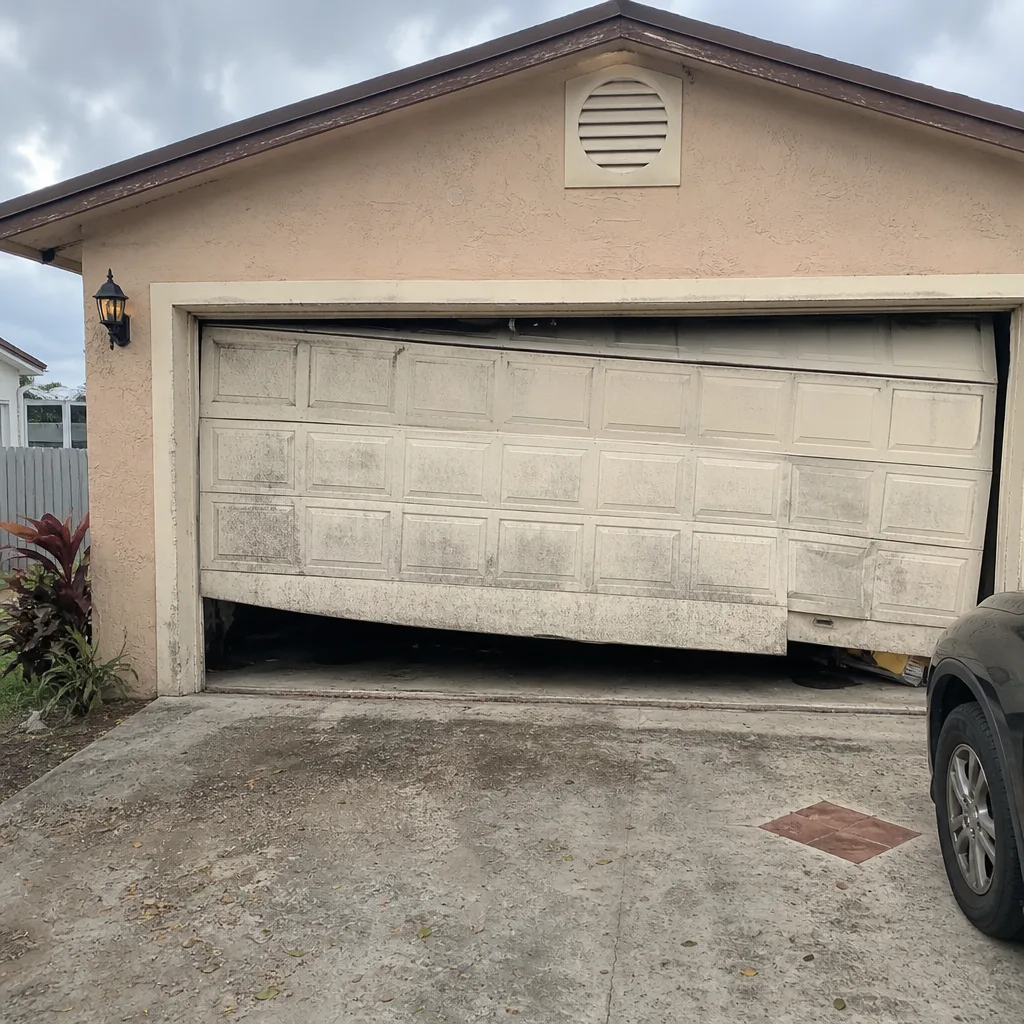 Before
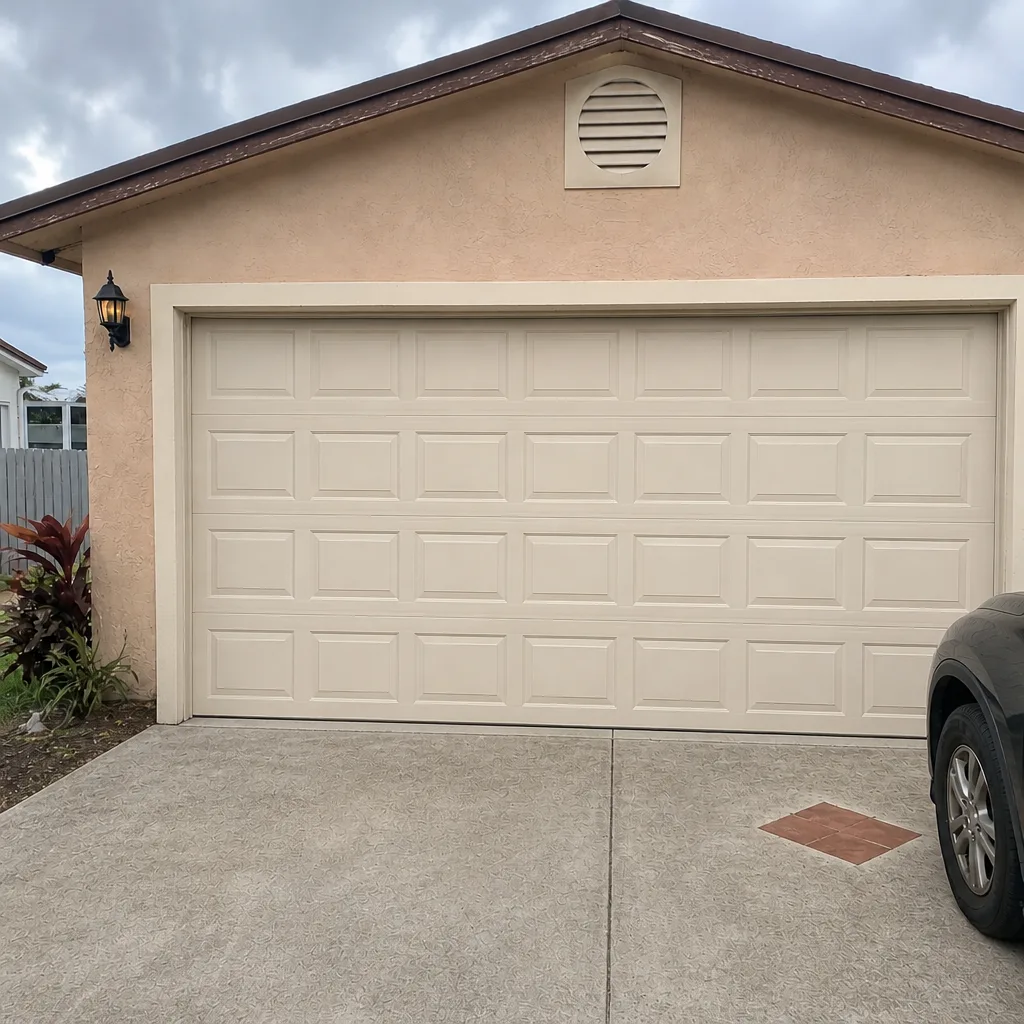 After
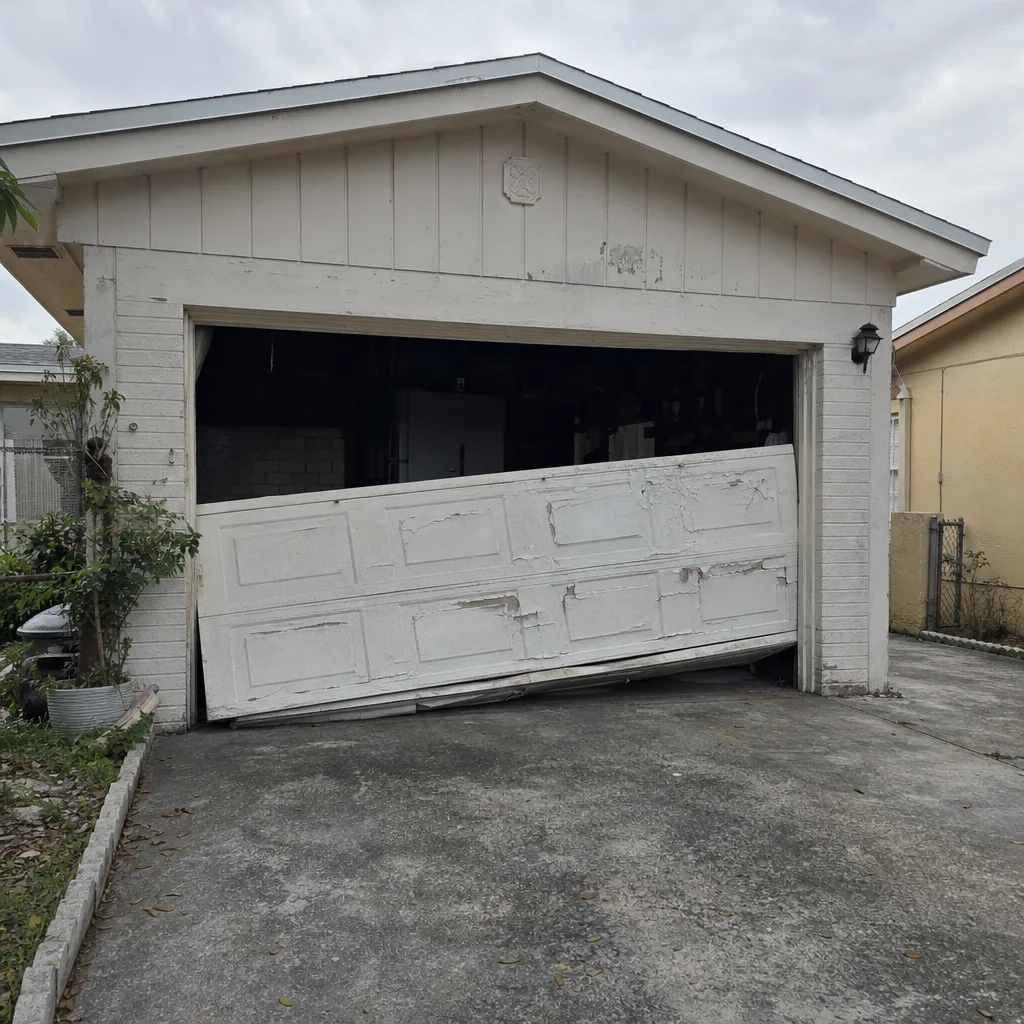 Before
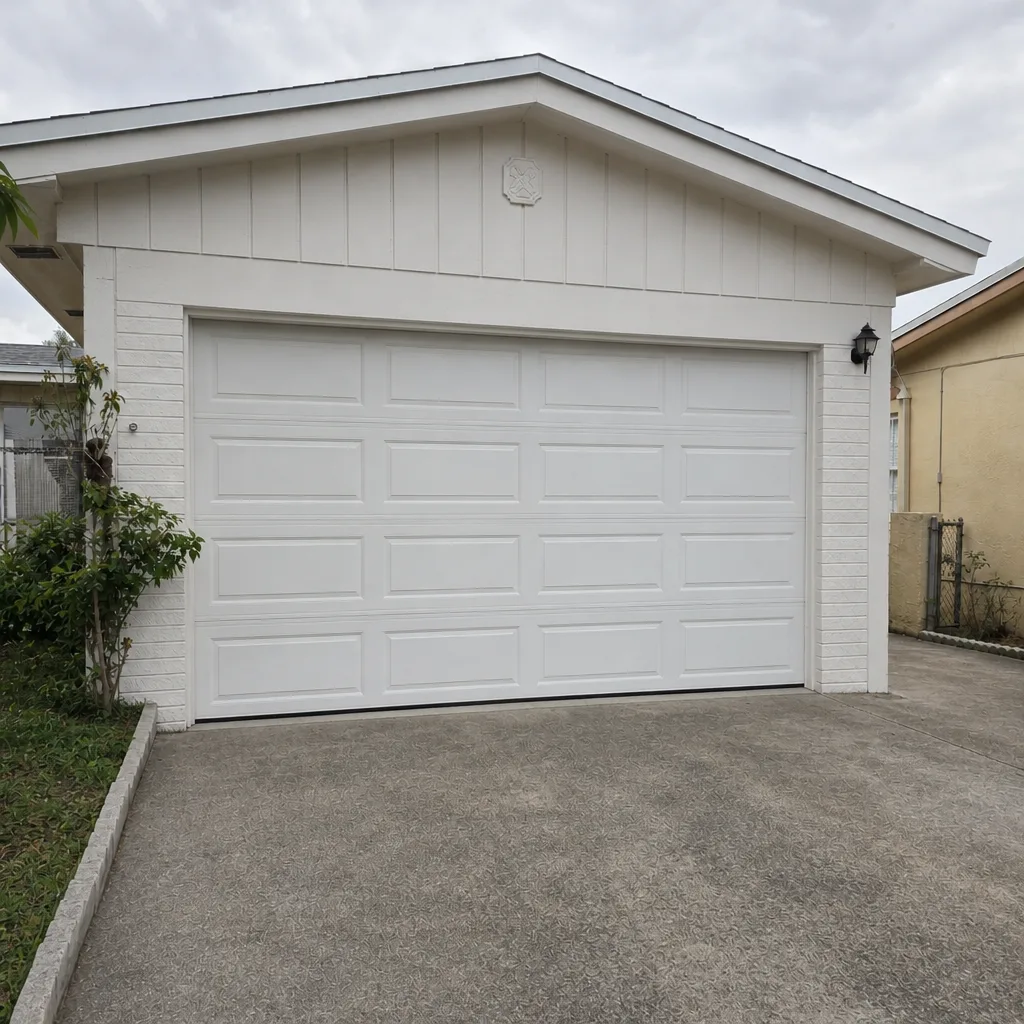 After
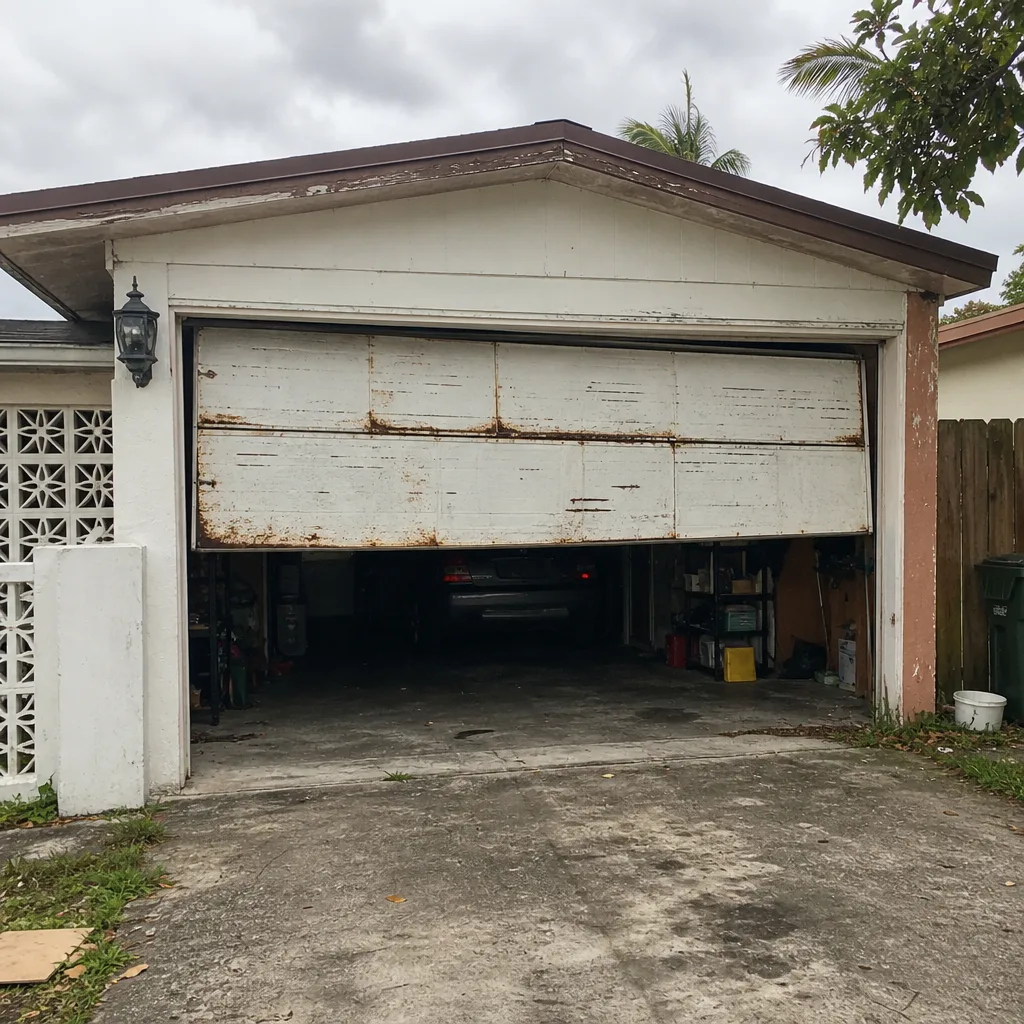 Before
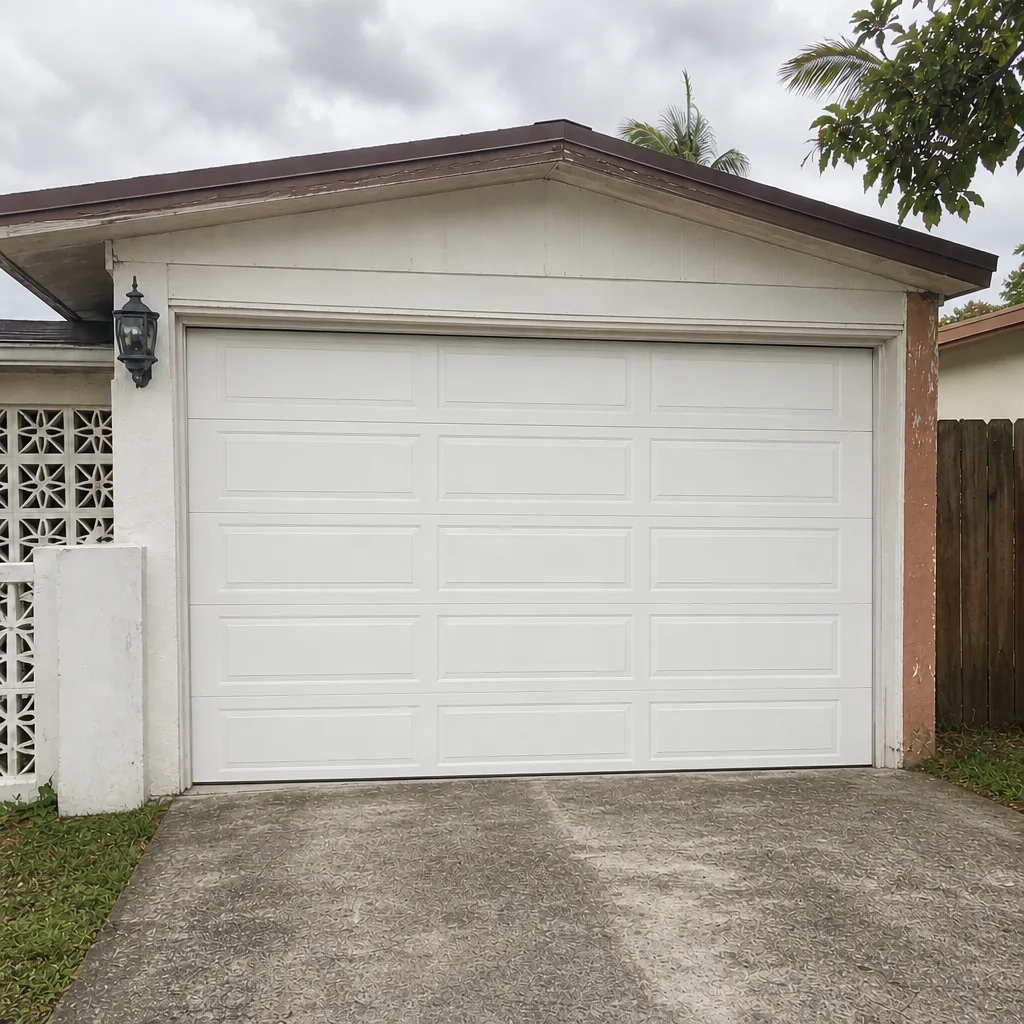 After